Sleep Apnea in Women After 50: Signs That Are Easy to Miss
This article contains affiliate links. As an Amazon Associate, we earn from qualifying purchases, at no extra cost to you. Learn more.
Sleep apnea is a condition where your breathing repeatedly stops and starts during sleep. It is often missed in women because symptoms can look different: instead of loud snoring and gasping, women more often report insomnia, fatigue, morning headaches, or low mood. The risk rises after menopause. Untreated sleep apnea is linked to high blood pressure, heart disease, and other problems, so it is worth testing if the signs fit.
What are the signs of sleep apnea in women?
- Snoring, which may be softer than the classic loud snore
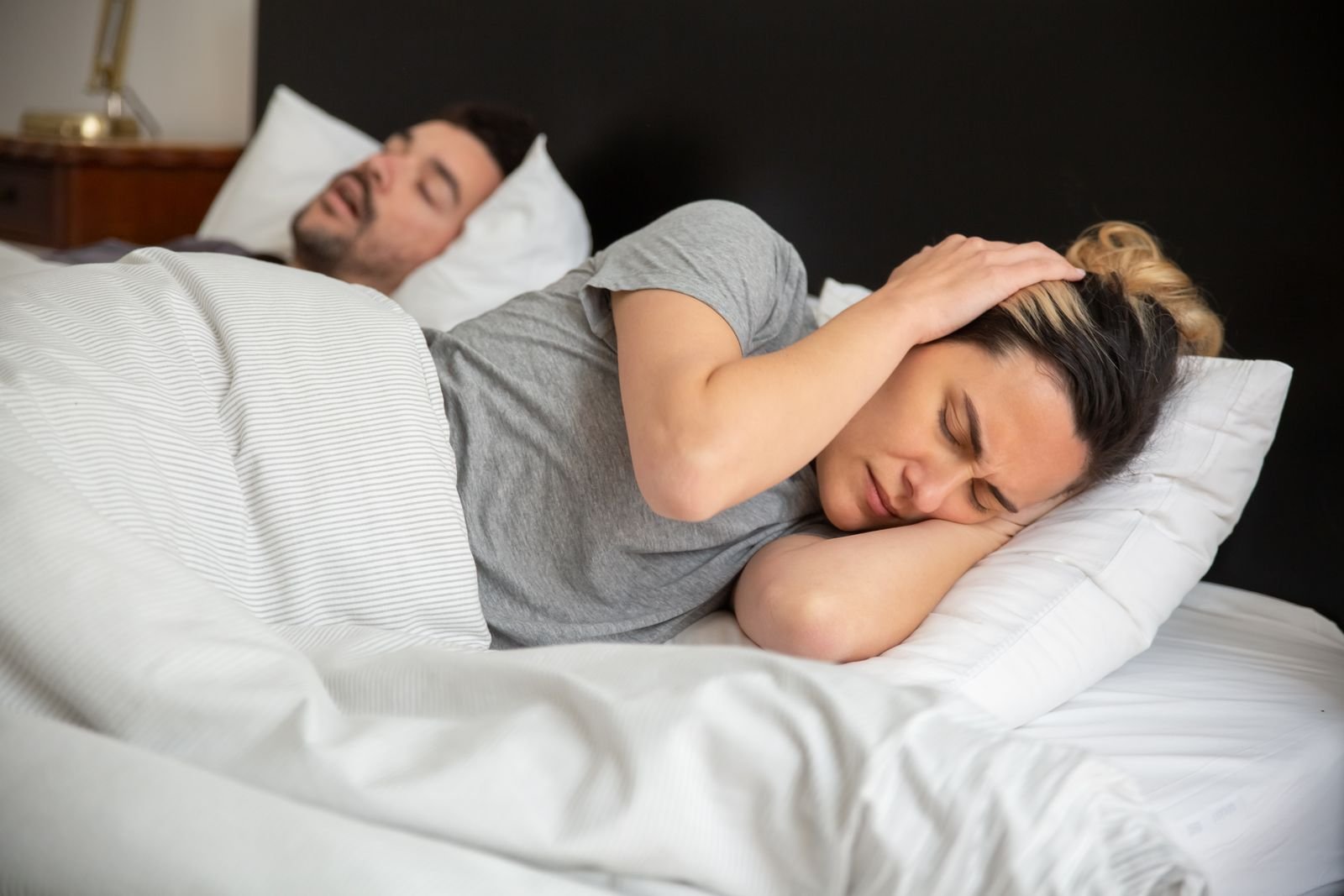
- Gasping, choking, or pauses in breathing noticed by a partner
- Waking unrefreshed or with a headache
- Daytime sleepiness or fatigue
- Trouble staying asleep, which can look like insomnia
- Mood changes, irritability, or trouble concentrating
- Waking often to urinate
Why does the risk rise after menopause?
Hormones help keep the upper airway muscles toned. As estrogen and progesterone fall, the airway may collapse more easily during sleep. Weight gain around midlife can add to the risk. Other risk factors include a family history, a large neck, high blood pressure, and smoking.
How is sleep apnea diagnosed?
Your doctor may order a sleep study, either overnight at a sleep center (polysomnography) or a simpler home sleep apnea test. The test counts how often your breathing pauses or becomes shallow each hour.
How is it treated?
| Treatment | How it works | Notes |
|---|---|---|
| CPAP | A machine gently blows air through a mask to keep the airway open | The most common and effective treatment; masks come in many styles |
| Oral appliance | A custom mouthguard moves the jaw forward | Option for mild to moderate apnea or CPAP intolerance |
| Position changes | Sleeping on your side instead of your back | Helps when apnea is worse on your back |
| Weight loss | Reduces pressure on the airway | Can lessen apnea in people with excess weight |
| Surgery or implants | Opens or stimulates the airway | For selected cases |
A weight-loss medicine, tirzepatide (Zepbound), was approved by the FDA in late 2024 for moderate to severe obstructive sleep apnea in adults with obesity. Ask your doctor whether it applies to you.
Why does treatment matter?
Untreated sleep apnea can lead to serious health problems, including heart attack, according to the National Institute on Aging. It also causes daytime sleepiness that raises the risk of car crashes. Many women find their energy, mood, and insomnia improve once apnea is treated.
If you have insomnia, rule out apnea before relying on sleeping pills, since sedatives can make apnea worse. See menopause and sleep.
How common is sleep apnea in older women?
It is common and often missed. Mayo Clinic Press estimates obstructive sleep apnea affects about 15% of older adults, and many do not know they have it.
In obstructive sleep apnea, the throat relaxes and narrows during sleep, so breathing stops and starts. Each pause briefly wakes the brain, often without you noticing.
- Neck size: a neck circumference over 16 inches in women raises risk, according to Mayo Clinic Press.
- Weight: extra weight can narrow the airway.
- Alcohol and sedatives: both relax throat muscles and can make apnea worse.
- Menopause: risk rises after menopause, as covered above.
What should you or your partner watch for at night?
Mayo Clinic advises seeing a healthcare professional if you have, or your partner notices, any of these:
- Snoring loud enough to disturb your sleep or someone else’s
- Waking up gasping or choking
- Pauses in breathing during sleep
- Daytime drowsiness strong enough that you doze off while working, watching TV or driving
Two less obvious clues matter for women over 50. Mayo Clinic lists sleep disorders such as obstructive sleep apnea among the causes of night sweats, and it lists sleep apnea among the possible causes of nighttime urination problems. If you blame every sweat or bathroom trip on menopause, apnea can hide in plain sight.
What happens during a sleep study?
A sleep study, called polysomnography, records what your body does while you sleep. Mayo Clinic describes two main options.
| Test | Where | What it records |
|---|---|---|
| Polysomnography | Sleep center, overnight | Heart, lung and brain activity, breathing, arm and leg movements, blood oxygen |
| Home sleep apnea test | Your own bed | A smaller set of measures, such as breathing, airflow and oxygen |
Home tests are convenient, but Mayo Clinic notes they sometimes miss sleep apnea. If your home results look normal and you still have symptoms, your doctor may recommend a full study.
What are the treatment options besides CPAP?
Positive airway pressure is the most studied treatment, but it is not the only one. Mayo Clinic describes these options:
- CPAP: a mask delivers steady air pressure to keep the airway open.
- APAP: the pressure adjusts automatically through the night. It has less evidence than CPAP but seems to offer similar results.
- BPAP: one pressure for breathing in and a lower one for breathing out, for people who struggle with CPAP.
- Oral appliances: a mouthpiece fitted by a dentist moves the jaw forward. An option for mild to moderate apnea.
- Nerve stimulation implant: for moderate to severe apnea in people who cannot tolerate CPAP.
- Medicine: the FDA has approved tirzepatide (Zepbound) to treat obstructive sleep apnea in people with obesity.
If CPAP feels uncomfortable, ask about different mask styles before giving up. Mayo Clinic notes most people find a comfortable fit with some practice.
What helps at home while you wait for testing?
These steps from Mayo Clinic can ease symptoms, though they do not replace testing:
- Sleep on your side, not your back, so your tongue and soft palate do not fall back against your throat.
- Skip alcohol and sleeping pills, which relax throat muscles.
- Move most days. About 30 minutes of moderate activity, such as a brisk walk, can ease symptoms even without weight loss.
- Lose excess weight if you have it. Even a slight loss can help.
Why is treating sleep apnea worth the hassle?
Because the payoff goes well beyond better sleep. Mayo Clinic notes treatment can improve sleep, help you feel better during the day and may decrease your risk of heart and blood vessel conditions. Mayo Clinic Press adds that research shows positive airway pressure reduces sleepiness and lowers the risk of car crashes and high blood pressure.
How do you choose a CPAP mask you will actually wear?
Mask fit is the most common reason people give up, and it is fixable. Mayo Clinic describes three main styles:
| Mask | Might suit you if |
|---|---|
| Nasal pillows | You feel claustrophobic, wear glasses or want to read or watch TV in bed |
| Nasal mask | You need a higher pressure setting or move a lot in your sleep |
| Full-face mask | Your nose is often blocked, or you breathe through your mouth at night |
A few more tips from Mayo Clinic: a humidifier can make the air more comfortable, newer machines are smaller and quieter, and you should contact your care team if you still snore, stay sleepy, or your weight changes by 10% or more.
How do you prepare for a sleep study?
A little preparation helps the test reflect a normal night. Always follow the instructions from your sleep center or doctor, but these steps are common:
- Keep your usual routine that day, and avoid a long nap that could make it hard to sleep during the test.
- Ask about caffeine and alcohol. Many centers ask you to skip them on the day of the study.
- Bring a list of your medicines and supplements, including any sleep aids, and ask whether to take them as usual.
- Pack comfortable sleepwear and anything that helps you settle, such as your own pillow.
- For a home test, practice putting on the sensors before bed so you are not fumbling at lights-out.
What should you ask after a sleep apnea diagnosis?
A diagnosis is the start of a conversation, not the end. These questions help you leave the appointment with a clear plan:
- How severe is my sleep apnea, and what does that number mean for me?
- Is CPAP my best option, or could an oral appliance work?
- What should I do if I cannot get comfortable with the mask?
- Could my night sweats, bathroom trips or morning headaches be related?
- When will we check whether treatment is working?
Why is sleep apnea missed in women?
The American Academy of Sleep Medicine explains why sleep apnea often goes undiagnosed in women.
What can make sleep more comfortable while you get tested?
None of these treats sleep apnea, so see your doctor. But they can support side sleeping and help a partner who is kept awake by snoring:
- Coop Home Goods Adjustable Pillow: Add or remove fill to match your sleep position, which makes it a good fit for side sleepers who need more height. Check price on Amazon
- Kolbs Bed Wedge Pillow: Raises your head and upper body. Some people find it helps with snoring or reflux; it is not a substitute for sleep apnea treatment. Check price on Amazon
- Magicteam White Noise Machine: Twenty non-looping sounds and an all-night setting, so a barking dog, traffic, or a snoring partner fades into the background. Check price on Amazon
Frequently asked questions
What are the symptoms of sleep apnea in women?
Women often have fatigue, insomnia, morning headaches, and mood changes, sometimes with softer snoring than men.
Can menopause cause sleep apnea?
The risk of sleep apnea rises after menopause as hormone levels fall.
Can you test for sleep apnea at home?
Yes. A home sleep apnea test is an option for many people. Your doctor decides which test fits.
Is CPAP the only treatment?
No. Oral appliances, position changes, weight loss, and some procedures are options depending on severity.
Can sleep apnea cause night sweats?
It can. Mayo Clinic lists sleep disorders such as obstructive sleep apnea among the possible causes of night sweats, so mention sweats to your doctor if you also snore or feel sleepy by day.
Does sleeping on my side help sleep apnea?
It can help. Back sleeping lets the tongue and soft palate block the airway more easily. Side sleeping is a helpful habit, but it is not a substitute for diagnosis and treatment.
Sources and further reading
- Sleep Apnea, National Heart, Lung, and Blood Institute
- Sleep and Older Adults, National Institute on Aging
- Sleep Problems and Menopause: What Can I Do?, National Institute on Aging
- Obstructive sleep apnea: Symptoms and causes, Mayo Clinic
- Obstructive sleep apnea: Diagnosis and treatment, Mayo Clinic
- Sleep apnea: Diagnosis and treatment, Mayo Clinic
- Night sweats: Causes, Mayo Clinic
- 8 Facts about obstructive sleep apnea, Mayo Clinic Press
- Obstructive sleep apnea, Wikipedia
- Polysomnography, Wikipedia
A quick note: this is general health information, not medical advice. Talk with your doctor about sleep problems, and before starting, stopping, or changing any medicine or supplement.