Why Am I Such a Light Sleeper After 50?
Less deep sleep with age means small noises and night sweats wake you more easily. Here is why it happens and how to make your nights quieter.
Waking at 3 a.m., night sweats, bathroom trips, and light sleep. Evidence-based ways to sleep through the night after 50.
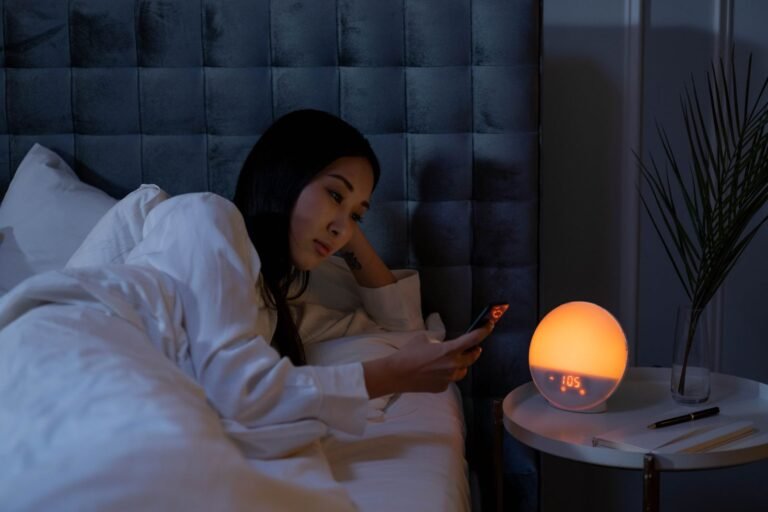
Less deep sleep with age means small noises and night sweats wake you more easily. Here is why it happens and how to make your nights quieter.

Side sleeping with a knee pillow eases most hip pain; back sleeping with pillows under the knees suits back pain. See pillow setups and mattress tips.
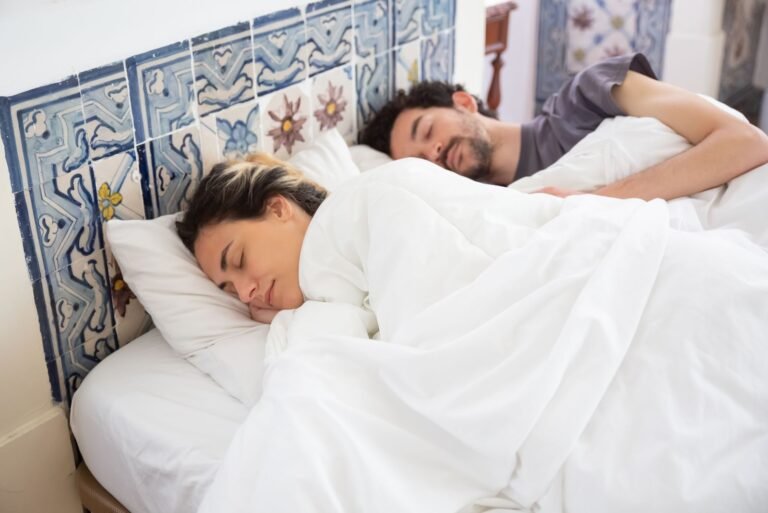
Protect your own sleep with steady sound, earplugs and a head start, while helping your partner snore less. Here is what works and when snoring needs a doctor.
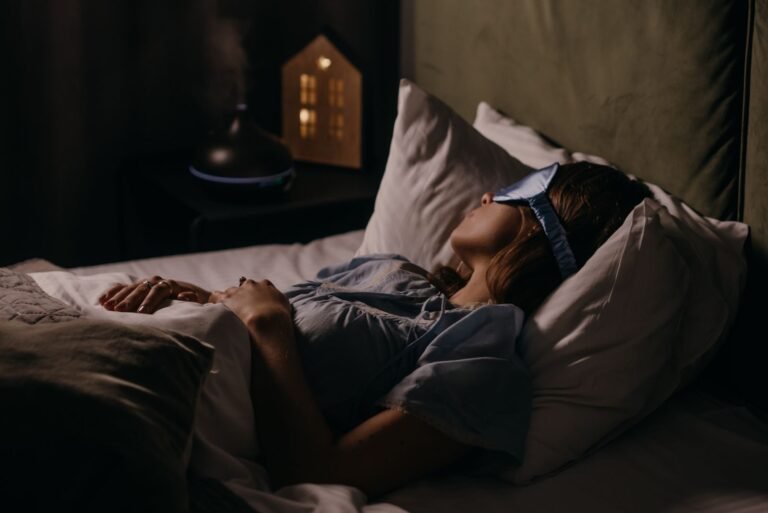
Fix broken sleep after 50: find your top wake-up trigger, keep one wake time, and follow our 4-week plan using stimulus control and gentle sleep limits.
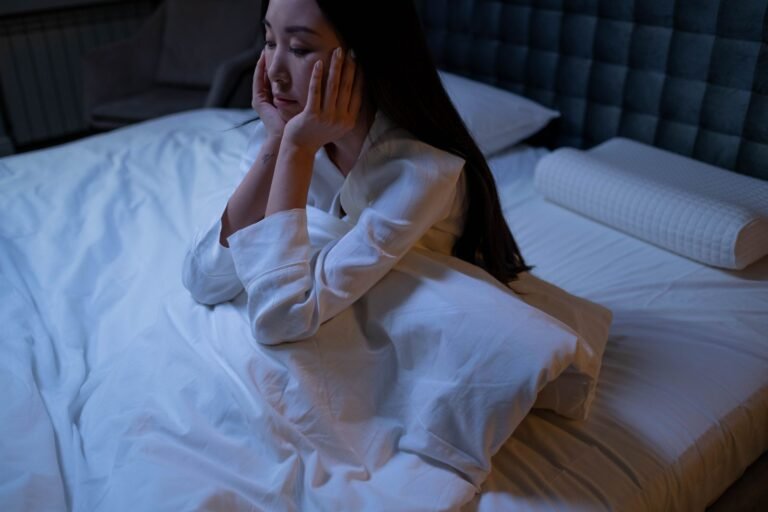
Can hormone drops cause panic attacks at night? Why menopause triggers night panic, how to calm an attack in minutes, and treatments that work.

Night sweats waking you? Set up a cooler bed, use a 6-step back-to-sleep routine, spot your triggers, and learn which treatments reduce night sweats.

Experts often suggest 60 to 67°F for sleep, but older adults may sleep best a bit warmer. How to set up, measure and test your bedroom, and stay safe.

Waking to pee at night after 50 often comes from extra night urine, bladder changes, or sleep apnea. See a sample bladder diary and steps that help.

How to get more deep sleep after 50: why it declines, the habits that protect it, what steals it, and whether supplements, pink noise, or trackers help.

Why do you keep waking between 2 and 4 a.m. after 50? Learn the common causes, a 6-step routine to get back to sleep, and daytime habits that help.
Free. No spam. Unsubscribe anytime. Privacy Policy