Night Sweats Ruining Your Sleep? A Practical Plan for Women Over 50
This article contains affiliate links. As an Amazon Associate, we earn from qualifying purchases, at no extra cost to you. Learn more.
If night sweats keep waking you, the fastest wins usually come from three places: a cooler, better-ventilated bed, a quick routine for getting back to sleep after each sweat, and a conversation with your doctor about treatment if it happens most nights. Night sweats are a hormone-driven heat problem, but staying awake afterward is often a sleep-habit problem. You can work on both at once.
| Problem | What is going on | What to try first |
|---|---|---|
| You wake soaked in the first half of the night | A hot flash pushes you past a very narrow comfort zone | Cooler room, lighter layers, a fan on your upper body |
| You feel chilled after the sweat | Wet skin and damp sheets keep cooling you | Dry top and towel within reach |
| You lie awake for an hour afterward | Your brain is now alert and watching the clock | A set back-to-sleep routine, clock turned away |
| It happens most nights for months | Symptoms are strong enough to treat | See your doctor about hormonal or non-hormonal options |
Why do night sweats wreck sleep so badly after 50?
A night sweat is simply a hot flash that happens while you are asleep. During the menopause transition, the brain’s temperature control center becomes extra sensitive. Research on women with hot flashes found their buffer between sweating and shivering had shrunk to almost nothing, compared with about 0.4 degrees Celsius in women without symptoms. Under a comforter, a tiny rise in core heat tips you over the edge.
The sweat itself lasts a few minutes. The bigger damage comes after. You wake fully, kick off covers, then feel cold and clammy. By the time you are comfortable again, your mind is busy. Sleep after 50 is already lighter, with less deep sleep than at 30, so it takes less to keep you awake.
How common is this? In the Study of Women’s Health Across the Nation (SWAN), a long-running study of more than 3,000 midlife women, hot flashes and night sweats lasted a median of 7.4 years. Sleep complaints rise sharply in late perimenopause, when night sweats tend to peak.
How should you set up your bed for night sweats?
Think in layers and airflow, not one magic product. Sweat only cools you when it can evaporate, and heavy bedding traps both heat and moisture against your skin.
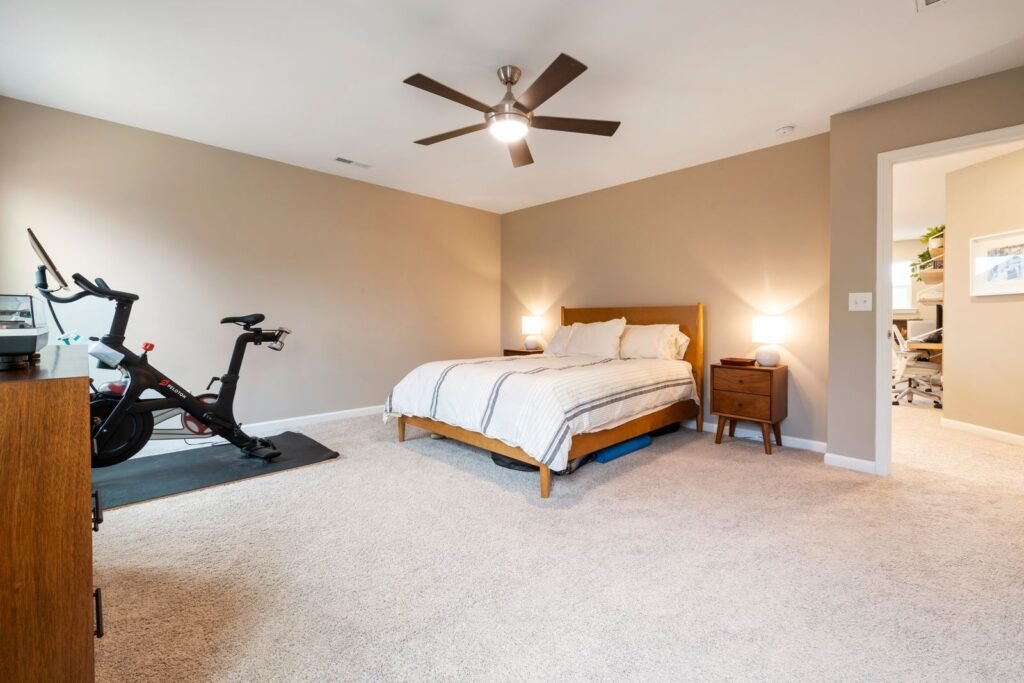
- Room temperature: Aim cooler than you think. A common sleep-medicine range is about 60 to 67 degrees Fahrenheit. In one sleep lab study, a room near 64 degrees meant fewer hot flashes in the first half of the night than warmer rooms.
- Two light layers instead of one heavy comforter: You can kick off one layer during a sweat and keep the other for the chill afterward.
- Breathable sheets: Cotton percale or linen usually feels cooler and dries faster than microfiber or sateen.
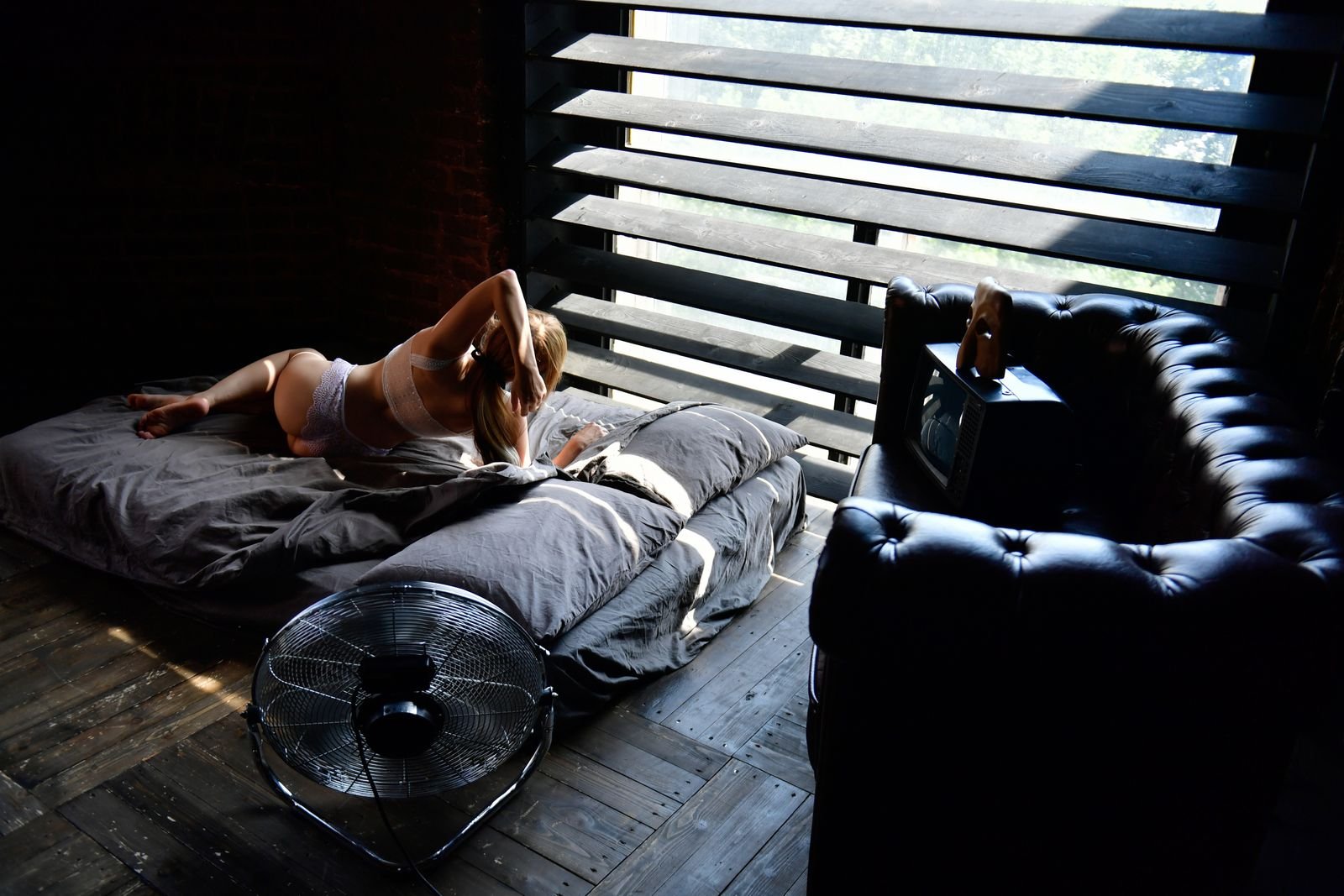
- Air movement: A quiet fan aimed at your upper body speeds evaporation.
- Separate covers if you share a bed: A partner’s body heat can be enough to trigger a sweat. Two twin-size blankets on one bed is a simple fix many couples use.
For room temperature specifics, see what is the best bedroom temperature for sleep.
What should you do the moment a night sweat wakes you?
Have a plan ready before bed so you do not have to think at 2 a.m. The goal is to cool down, dry off and get back to sleep without fully waking your brain.
| Step | What to do | Why it helps |
|---|---|---|
| 1 | Kick off the top layer and turn the fan up | Fast heat loss shortens the sweat |
| 2 | Sip cool water from a bottle on the nightstand | Replaces fluid without turning on lights |
| 3 | Swap a damp top for a dry one, pat skin with a towel | Prevents the clammy chill that keeps you up |
| 4 | Pull the light layer back up once you start to cool | Stops the cold rebound |
| 5 | Do slow breathing: in for 4, out for 6, for 2 to 3 minutes | Calms the stress response that follows a flash |
| 6 | If awake more than about 20 minutes, get up in dim light | Keeps bed linked with sleep, not frustration |
Do not check your phone or the clock. Both wake you further and feed worry about how much sleep you are losing.
What might this look like on a real night?
Say you go to bed at 10:30 and wake drenched at 1:00 and 3:30. For two weeks you lower the thermostat 3 degrees, switch to two light blankets, and keep a dry shirt and water on the nightstand. You also stop checking the clock. Your log shows you still wake at 1:00 on most nights, but you are back asleep in about 10 minutes instead of 45. That alone can add more than an hour of sleep a night.
Which evening habits make night sweats worse?
Everyone’s triggers differ, but these come up again and again:
- Alcohol: It widens blood vessels in the skin and fragments sleep later in the night as it wears off. Read more in does alcohol help you sleep.
- Late, heavy or spicy dinners: Digestion adds heat right as you lie down. Try finishing dinner 3 hours before bed.
- Hot showers right before bed: A warm shower 60 to 90 minutes before bed helps sleep. A very hot one at the last minute can leave you overheated.
- Caffeine after noon: It lightens sleep, so you wake more easily from a small flash. See when to stop drinking caffeine.
- Stress at bedtime: Anxiety and hot flashes feed each other. A short wind-down helps both.
A two-week log of bedtime, what you ate and drank, room temperature and wake-ups is the most reliable way to find your own pattern.
Which treatments actually reduce night sweats?
If night sweats wake you most nights, bedroom changes may not be enough. That is not a failure. It means your symptoms are strong enough to treat.
| Option | What to know |
|---|---|
| Hormone therapy (estrogen, with progesterone if you have a uterus) | The most effective treatment for hot flashes and night sweats, per The Menopause Society. Generally best started before 60 or within 10 years of your last period |
| Oral micronized progesterone at bedtime | In a 2023 trial of 189 perimenopausal women, 300 mg at bedtime reduced night sweats and improved sleep quality versus placebo |
| Fezolinetant (Veozah) or elinzanetant (Lynkuet) | Non-hormonal pills that calm the brain’s heat center; both need liver blood tests |
| Gabapentin at bedtime | Reduces hot flashes and causes drowsiness, which some women find useful at night |
| Low-dose SSRIs or SNRIs | Modest reduction in hot flashes; paroxetine 7.5 mg is FDA-approved for this |
| CBT for insomnia (CBT-I) | Does not stop sweats but strongly reduces time awake afterward |
CBT-I is the first-line treatment for long-term insomnia, and it works for women in menopause too. Learn the steps in CBT for insomnia.
When are night sweats a sign of something else?
Most night sweats in your late 40s and 50s are hormonal, but not all. See a doctor promptly if night sweats come with:
- Fever, chills or feeling unwell
- Unexplained weight loss
- Swollen lymph nodes or a lasting cough
- A new medicine, such as some antidepressants or diabetes drugs
- Loud snoring, gasping or pauses in breathing (possible sleep apnea; see sleep apnea in women after 50)
- Night sweats that return years after your hot flashes stopped
Want a doctor's overview of night sweats?
In this Cleveland Clinic talk, menopause experts explain what causes hot flashes and night sweats and the treatment options available. It runs about 20 minutes, so it is a good one to save for later.
What can make sweaty nights easier?
None of these stops a night sweat, but each targets something above: heat trapped in bedding, still air, or the chill afterward. Our picks:
- DREO Tower Fan: Quiet with a remote, so you can turn up airflow mid-sweat without getting out of bed. Check price on Amazon
- French Linen Sheet Set: Linen breathes and dries quickly, a good swap if your sheets feel clammy after a sweat. Check price on Amazon
- WiWi Lightweight Pajama Set: Light, fast-drying pajamas. Keep a spare set on the nightstand for quick changes. Check price on Amazon
- Owala FreeSip Insulated Water Bottle: Keeps water cold all night and has a spill-proof lid for sipping in the dark. Check price on Amazon
Frequently asked questions
Why do I only get night sweats and no daytime hot flashes?
Some women notice symptoms mostly at night because heat builds under covers and a sweat that wakes you is hard to miss. Daytime flashes may be milder or easier to ignore. A two-week log of day and night symptoms gives a clearer picture.
Should I use a cooling mattress pad?
It can help if your mattress is memory foam, which holds heat. Start with cheaper changes first: lighter bedding, a fan and a cooler room. If you still wake hot, a cooling pad is a reasonable next step.
Can night sweats happen before my periods stop?
Yes. Night sweats often start in perimenopause, sometimes years before your final period, and may cluster around your period.
Is it safe to take a sleeping pill for night sweats?
Sleeping pills do not stop sweats and can raise fall risk at night. Talk with your doctor; treating the sweats themselves or trying CBT-I usually works better. See sleep aids after 50.
How long will night sweats last?
It varies widely. In SWAN, the median total duration of hot flashes and night sweats was 7.4 years, and longer for women whose symptoms started early in perimenopause.
Sources and further reading
- Menopausal hot flashes: mechanisms, endocrinology, treatment, PubMed Central
- Duration of Menopausal Vasomotor Symptoms Over the Menopause Transition, JAMA Internal Medicine (SWAN)
- Progesterone for perimenopausal night sweats and sleep: randomized trial, Scientific Reports
- Hot Flashes, The Menopause Society
- Night Sweats, Cleveland Clinic
- Hot flashes: Symptoms and causes, Mayo Clinic
- Hot flashes: Diagnosis and treatment, Mayo Clinic
- Night sweats: Causes, Mayo Clinic
- Night sweats, Wikipedia
- Hot flash, Wikipedia
A quick note: this is general health information, not medical advice. Talk with your doctor before starting, stopping, or changing any treatment.