Sleep Gear Worth Buying After 50 (and What to Skip)
This article contains affiliate links. As an Amazon Associate, we earn from qualifying purchases, at no extra cost to you. Learn more.
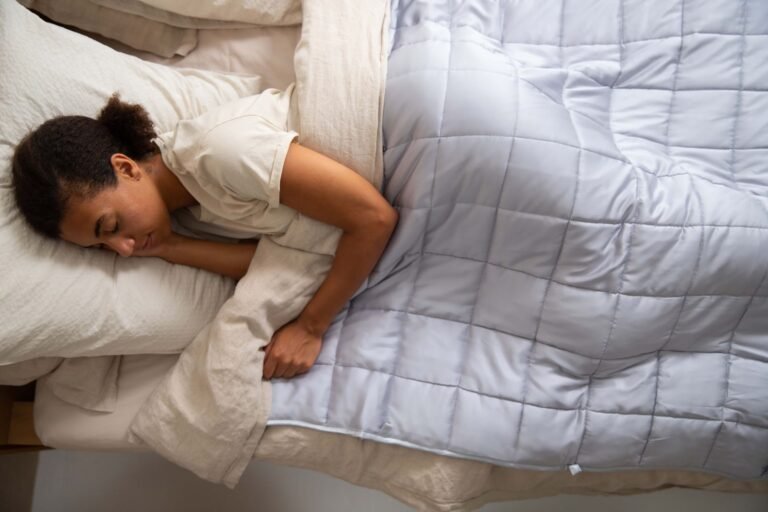
The sleep gear worth buying after 50 is whatever removes the specific thing that wakes you: early light, noise, heat, an aching hip, or a body clock that runs too early. A contoured sleep mask or blackout curtains, a white noise machine, breathable sheets, a pillow matched to how you sleep, and dim night lights for bathroom trips cover most of it. Skip anything sold as a cure, because no gadget treats insomnia or sleep apnea.
How did we choose what to recommend?
We did not run lab tests. We picked categories based on the sleep changes that are well documented after 50, then looked for products that are simple, need no app, and make no health claims we cannot support.
- It solves one common, specific sleep problem
- It works on the first night, without setup or subscriptions
- It is safe for people with arthritis, poor balance or night-time bathroom trips
- Its marketing does not promise medical results
What problem are you actually trying to solve?
Start here. Buying by problem keeps you from spending on things you do not need.
| If this wakes you | Start with | Usually not needed |
|---|---|---|
| Daylight at 5 a.m. | Contoured sleep mask, then blackout curtains | A new mattress |
| Traffic, neighbors or a snoring partner | White noise machine or a fan; soft earplugs | Noise-cancelling headphones in bed |
| Heat or night sweats | Cooler room, breathable sheets, layers | Pricey cooling gadgets |
| Hip, knee or neck pain | A pillow matched to your position, a knee pillow | A whole new bed as the first step |
| Waking too early and wired | A consistent wake time and smarter light timing | Sleep supplements |
| Bathroom trips in the dark | Motion-sensor night lights | Turning on the overhead light |
What helps if light wakes you too early?
Many people find their body clock shifts earlier with age, and summer dawn can end the night an hour before you are ready. Light is the strongest signal your clock receives, so blocking it is often the single most effective purchase.
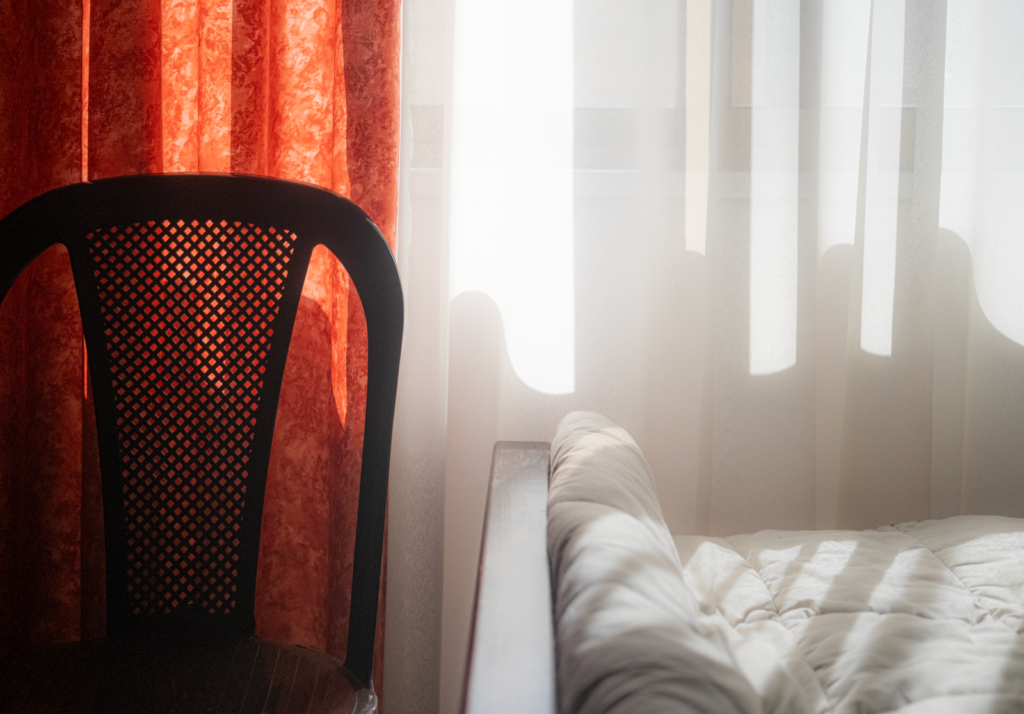
A contoured mask is the cheapest fix and travels well. Look for molded cups that keep pressure off your eyelids and an adjustable strap that does not tug your hair. The MZOO Contoured Sleep Mask fits this description. Blackout curtains darken the whole room, which matters if you dislike anything on your face. Light leaks around the edges, so buy panels wider than the window and mount the rod above the frame; H.VERSAILTEX Blackout Curtains are a common budget choice.
What helps if noise wakes you?
Lighter sleep after 50 means smaller sounds can wake you. Steady background sound makes sudden noises less jarring.
- White noise machine: look for non-looping sounds, fine volume control, and a setting that runs all night rather than shutting off at 2 a.m.
- A fan: does the same job for free if you already own one, and helps with heat too.
- Soft foam earplugs: cheap and effective for a snoring partner, though some people find them uncomfortable. Roll them thin and let them expand in the ear.
A snoring partner who also gasps or stops breathing needs a doctor more than you need gear. Loud snoring is a classic sign of sleep apnea, which is underdiagnosed in women; see sleep apnea in women after 50.
What helps if you sleep hot?
Night sweats and a warm room are among the most common reasons women in midlife wake up. Room temperature comes first; our guide to the best bedroom temperature for sleep explains the range most people do best in.
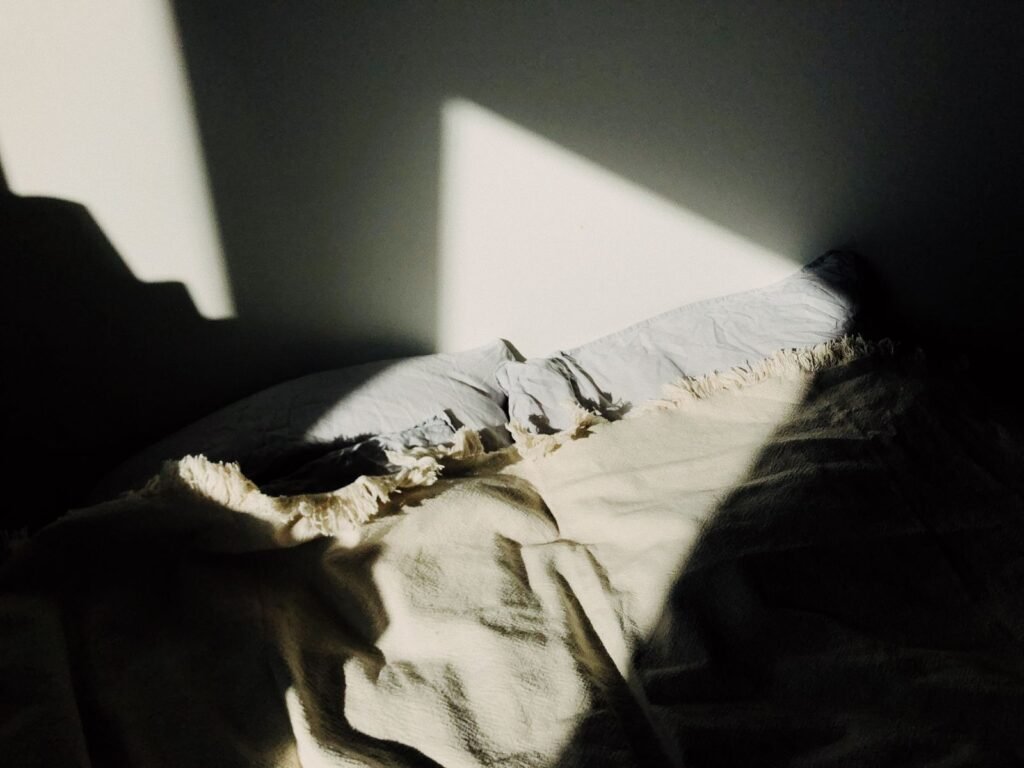
Then look at bedding. Linen and cotton percale breathe better than polyester microfiber or flannel, and a few thin layers beat one heavy comforter because you can shed one without fully waking. A French Linen Sheet Set is one option if you want to try linen. Keep a spare top and a glass of water by the bed so a sweat does not turn into a long wake-up.
What helps if pain or stiffness wakes you?
Aching joints and a sore neck often trace back to a pillow that does not fit how you sleep.
- Side sleepers: a firmer, higher pillow that fills the gap between ear and shoulder, plus a pillow between the knees to keep hips level
- Back sleepers: a medium-height pillow, and a pillow under the knees if your lower back aches
- Stomach sleepers: a thin, soft pillow, or none
An adjustable fill pillow like the Coop Home Goods Adjustable Pillow lets you add or remove filling until the height is right, which helps if you are between sizes. Persistent pain that wakes you most nights deserves a conversation with your doctor rather than another pillow.
What helps if your sleep timing has drifted?
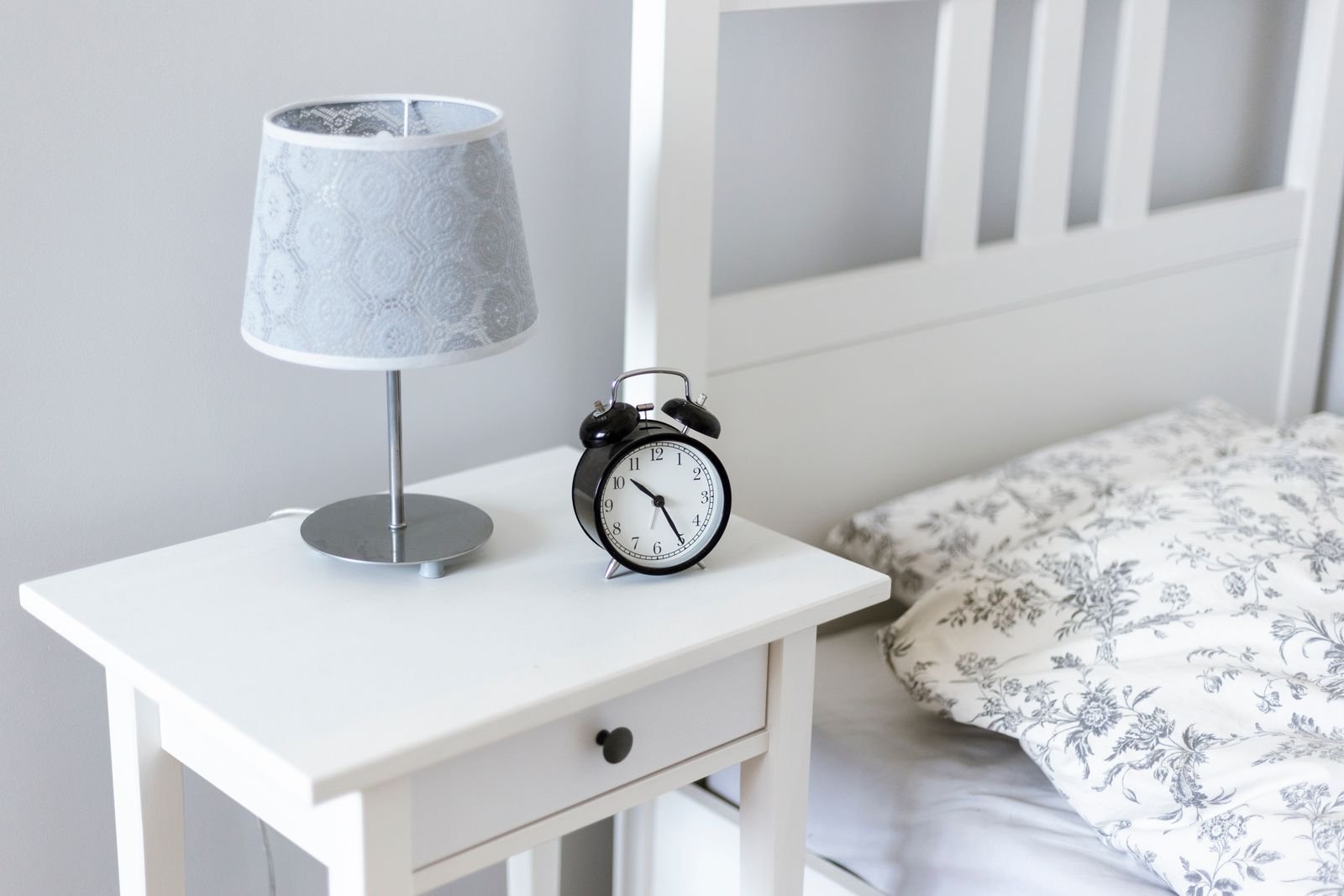
If you are drowsy at 8 p.m. and wide awake at 4 a.m., the fix is mostly free: keep the same wake time every day, get outdoor light later in the morning, and keep evenings brighter for longer before dimming the lights an hour before bed. A sunrise alarm clock can make a fixed wake time gentler. For the full picture, read why you wake up at 3 a.m. after 50.
What makes night-time bathroom trips safer?
Fall prevention guidance for older adults from the National Institute on Aging recommends lighting the path from bed to bathroom. Dim, warm, motion-sensor lights such as AUVON Motion-Sensor Night Lights light the floor without the full wake-up an overhead light causes. If you get up more than once a night, see why you wake up to pee at night.
What sleep products should you skip?
- Supplements sold as insomnia cures. Evidence for most is weak, and “natural” does not mean safe with your medicines. The National Center for Complementary and Integrative Health notes that clinical guidelines do not recommend melatonin for chronic insomnia because the evidence is not strong enough.
- Anti-snoring gadgets in place of a sleep test. They may quiet snoring while sleep apnea goes untreated.
- Mouth tape. There is little good evidence it helps, and it can be risky with a blocked nose or undiagnosed sleep apnea.
- “Cooling” pillows as a heat fix. Many feel cool at first touch and then warm up. A cooler room and breathable sheets do more.
- Sleep stage scores as a verdict. Wearables estimate total sleep reasonably well but sleep stages much less reliably. If checking the score makes you anxious, stop checking.
- A heavy weighted blanket by default. Evidence is limited, it traps heat, and it can be hard to move under if you have arthritis or limited strength.
How do these compare?
Our honest read on how likely each item is to help with the problem it targets, assuming you match it to that problem.
| Item | Best for | How likely to help | Relative cost | Watch out for |
|---|---|---|---|---|
| Contoured sleep mask | Early light, travel | High | Low | Strap tension, feeling closed in |
| Blackout curtains | Early light, streetlights | High | Moderate | Light leaks at the edges |
| White noise machine or fan | Noise, snoring partner | Moderate to high | Low | Auto shut-off timers |
| Breathable sheets and layers | Night sweats, warm rooms | Moderate | Moderate | Polyester blends labeled cooling |
| Position-matched pillow | Neck and shoulder aches | Moderate | Low to moderate | Wrong height for your position |
| Knee pillow | Hip and lower back strain | Moderate | Low | Too thick for small frames |
| Motion-sensor night lights | Safe bathroom trips | High for safety | Low | Bright white bulbs |
| Sunrise alarm clock | Keeping a steady wake time | Moderate | Low to moderate | Not a fix for early waking |
What buying mistakes should you avoid?
- Buying five things at once. Change one thing, give it a week or two, then decide. Otherwise you cannot tell what helped.
- Starting with the most expensive fix. A mask often beats a mattress for early waking.
- Ignoring return windows. Pillows in particular are personal. Buy where you can return them.
- Treating gear as a substitute for care. If you have long-running insomnia, CBT for insomnia works better than any product.
When should you see a doctor instead of buying more gear?
- Loud snoring with gasping, choking or pauses in breathing
- Daytime sleepiness that affects driving or daily life
- Trouble sleeping three or more nights a week for three months
- Night sweats, pain or leg urges that wake you most nights
- Getting up to urinate two or more times a night
Want a sleep expert's list of useful sleep products?
The Sleep Doctor channel walks through simple sleep products that can help older adults.
Which four would we buy first?
If you want a short list, these cover the most common problems after 50 for the least money and effort.
- MZOO Contoured Sleep Mask: Molded eye cups block early light without pressing on your eyelids. The cheapest first fix for waking at dawn, and easy to pack for travel. Check price on Amazon
- Magicteam White Noise Machine: Non-looping sounds and an all-night setting, so traffic or a snoring partner fades into the background. Best for light sleepers and city bedrooms. Check price on Amazon
- 5 STARS UNITED Knee Pillow: Keeps hips and knees aligned for side sleepers, which can ease hip and lower back strain. A low-cost first step before you replace a mattress. Check price on Amazon
- Odokee Sunrise Alarm Clock: Brightens gradually before your set time, a gentler way to keep the same wake time every day. Suits anyone working on a steadier sleep schedule. Check price on Amazon
Frequently asked questions
Is a new mattress worth it after 50?
Sometimes, but rarely as the first step. If your mattress sags visibly or you wake stiff in your own bed but not elsewhere, it may be time. Try a better pillow, a knee pillow or a cooler room first, and buy from a seller with a generous trial period.
Are weighted blankets good for older adults?
They suit some people, but the evidence for sleep is limited and they add heat. They can also be hard to lift off for anyone with arthritis, weak grip or limited mobility. If you try one, choose a lighter weight and make sure you can move it easily.
Do sleep masks help with early morning waking?
They can, because light is what tells your body clock it is morning. A mask is most useful when dawn or streetlight is the trigger. If you wake early in a fully dark room, the cause is more likely your body clock, stress or another sleep problem.
Is it better to use a fan or a white noise machine?
Both mask noise well. A fan also moves air, which helps if you run hot, while a white noise machine gives more sound choices and works year round without cooling the room. Pick the fan if heat is a problem and the machine if it is not.
Can sleep gear fix insomnia?
Gear removes obstacles like light, noise and heat, but it does not treat insomnia itself. If you have trouble sleeping most nights for months, a structured program such as CBT for insomnia is the recommended first treatment. Our guide to sleep aids after 50 covers what else is safe.
Sources and further reading
- Healthy Sleep Habits, National Heart, Lung, and Blood Institute
- Healthy Sleep Habits, American Academy of Sleep Medicine
- Aging Changes in Sleep, MedlinePlus Medical Encyclopedia
- Snoring, American Academy of Sleep Medicine
- What Is Sleep Apnea?, National Heart, Lung, and Blood Institute
- Sleep Disorders and Complementary Health Approaches, National Center for Complementary and Integrative Health
- Sleep tips: 6 steps to better sleep, Mayo Clinic
- Mattress, Wikipedia
- Pillow, Wikipedia
A quick note: this is general health information, not medical advice. Talk with your doctor before starting, stopping, or changing any treatment.