Sleep Gear for Menopause: What Helps With Night Sweats and Light Sleep
This article contains affiliate links. As an Amazon Associate, we earn from qualifying purchases, at no extra cost to you. Learn more.
The sleep gear most worth buying in menopause targets two problems: heat that builds up in your bed, and light sleep that wakes you at small disturbances. In order of value, start with a quiet fan, breathable sheets and lighter layered bedding, then add fast-drying sleepwear and noise or light control. Expensive cooling gadgets come last. This guide is focused on night sweats; for general sleep gear, see sleep gear worth buying after 50.
| Priority | Gear | Problem it solves | Typical cost |
|---|---|---|---|
| 1 | Quiet fan with remote | Still air keeps sweat from evaporating | Low to moderate |
| 2 | Percale cotton or linen sheets | Clammy, heat-holding fabric | Moderate |
| 3 | Two light blankets instead of one heavy comforter | Overheating, then chills | Low |
| 4 | Fast-drying sleepwear plus a spare | Waking cold in damp clothes | Low |
| 5 | Room thermometer | Guessing about bedroom temperature | Low |
| 6 | White noise, earplugs, blackout curtains | Light sleep broken by noise or dawn | Low to moderate |
| 7 | Cooling mattress topper or bed cooling system | Memory foam holding heat | High |
Why does gear matter so much during menopause?
During the menopause transition, the brain’s temperature comfort zone narrows. Research found that women with hot flashes had almost no buffer between the temperature at which they sweat and the one at which they shiver. Small sources of heat in bed, such as a thick comforter, a foam mattress or a partner, can be enough to push you over the edge.
Sweat cools you only when it evaporates. Heavy, synthetic or tightly woven fabrics trap that moisture, so you stay hot and then get chilled. Good gear is mostly about letting heat and moisture escape.
What bedding works best for night sweats?
Sheets
Look at the weave and fiber, not thread count. Cotton percale has a crisp, open weave that breathes. Linen is even more breathable and dries quickly, though it feels rougher at first. Bamboo-derived rayon feels cool and silky to many women. Sateen and microfiber feel smooth but tend to hold heat.
Blankets and comforters
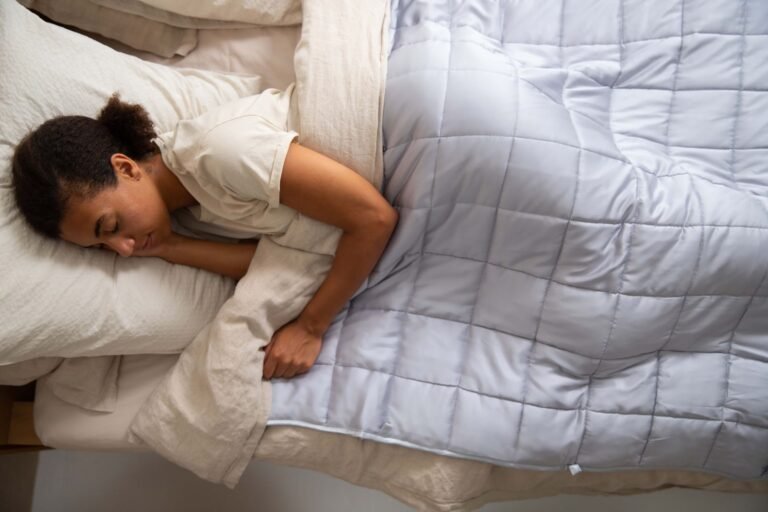
Layering is the single most useful bedding change. Use a light cotton blanket plus a thin quilt or coverlet. Kick one off during a flash, and pull it back for the chill afterward. If you share a bed, use separate blankets so you are not fighting over covers.
Mattress and pillows
Memory foam molds around you and can hold heat. If your mattress is foam and you wake hot, a breathable topper or a mattress pad designed for airflow may help. Pillows with shredded fill or adjustable loft let air move better than solid foam blocks.
What should you wear to bed with night sweats?
- Light, loose layers in cotton, bamboo-derived rayon or moisture-wicking fabric.
- A spare top on the nightstand so you can change in seconds without turning on lights.
- A thin towel to pat dry before you change.
- Avoid heavy flannel even in winter. Adjust the room or blankets instead.
Do fans and cooling devices really help?
A fan is the best value item for most women. Moving air speeds evaporation and helps you shed heat faster. A tower or pedestal fan aimed at your upper body works well, and a remote means you can turn it up mid-sweat. Quiet models double as white noise.
Bed cooling systems that circulate water or air under the sheet can help some women a lot, but they are costly and need maintenance. Try the cheaper steps first for two weeks. If you still wake hot most nights, a cooling system or a talk with your doctor about treatment is the next step.
How would you build a setup on a budget?
One realistic starting kit: a quiet tower fan, a set of percale sheets, a cotton blanket you already own in place of your comforter, two light pajama sets and a room thermometer. Use it for two weeks while logging how often you wake hot and how long you stay awake. Only then decide whether a topper or cooling system is worth the money.
What about light and noise?
Sleep after 50 is lighter, especially in the early morning. Small noises and dawn light are more likely to wake you, and after a night sweat you are already close to waking.
- White noise: A steady sound masks traffic, birds and snoring.
- Earplugs: Soft foam plugs are cheap and effective for many women.
- Blackout curtains or a silk eye mask: Blocks early light. See best eye masks for hot flashes.
- Motion-sensor night lights: Safer bathroom trips without bright light.
When is gear not enough?
If night sweats wake you most nights despite a cool, well-set-up bedroom, the next step is treatment, not more gear. Hormone therapy is the most effective option for many women, and there are non-hormonal choices as well. See night sweats ruining your sleep and menopause insomnia remedies.
Why does a cool bedroom matter so much in menopause?
Because your built-in thermostat has become touchy. Mayo Clinic explains that lower estrogen seems to make the hypothalamus, your brain’s temperature control center, react to small rises in body heat by triggering a hot flash to cool you down.
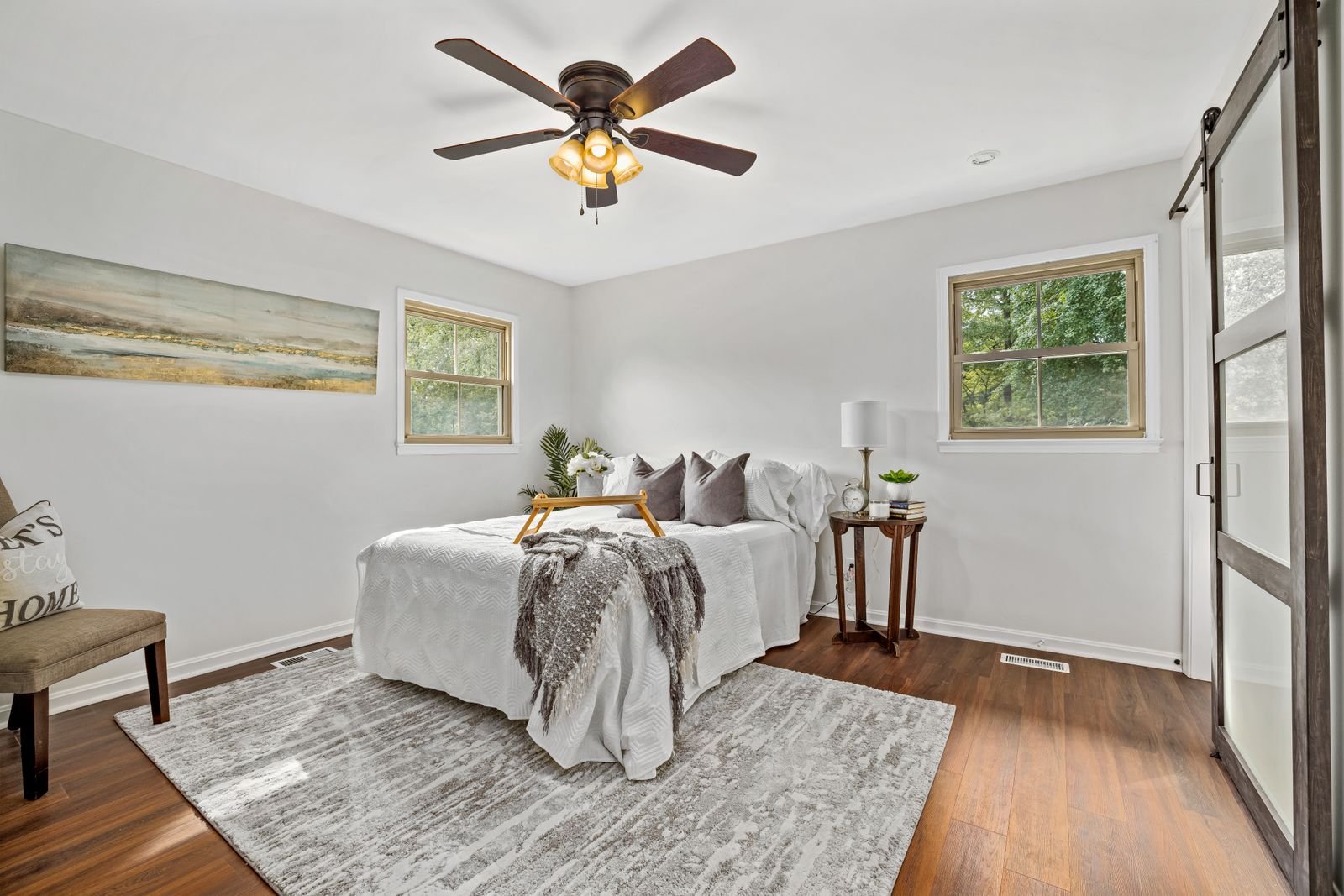
Your body also cools itself naturally as you fall asleep, part of normal thermoregulation. A warm room or heavy bedding fights that process. Mayo Clinic’s sleep tips recommend a bedroom that is cool, dark and quiet, which is why gear that helps heat escape can make a real difference.
What is the best way to layer your bed for night sweats?
Think in thin layers you can add or drop in seconds, instead of one heavy comforter. A simple setup:
- Mattress protector: a breathable, waterproof one keeps sweat out of the mattress.
- Fitted sheet: a breathable fabric such as cotton percale, linen or a moisture-wicking blend.
- Top sheet: lightweight, so you can sleep under it alone on hot nights.
- Light blanket: easy to kick off when a flash starts and pull back when the chill follows.
- Separate covers for couples: two light blankets instead of one shared duvet, so each person controls their own warmth.
Keep a spare pillowcase and a dry sleep top within reach. Changing in 30 seconds beats lying awake in damp fabric.
How do you keep bedding fresh when you sweat every night?
Night sweats are hard on bedding, and damp layers can make the next night worse. A few habits help:
- Wash pillowcases more often than sheets, since your head and neck often sweat most.
- Air out the bed in the morning before making it, so moisture can escape.
- Use a washable pillow protector under the pillowcase.
- Rotate two sets of sheets so one is always clean and dry.
- Choose fabrics that dry fast, which matters more than thread count.
What can gear not fix?
Gear makes night sweats easier to sleep through, but it does not stop them. Mayo Clinic calls estrogen therapy the most effective treatment for hot flashes, and lists hormone-free prescription options such as fezolinetant (Veozah) for women who cannot or do not want to take hormones.
Habits matter too. Mayo Clinic doctors note alcohol can trigger hot flashes and disrupt sleep, and smoking is linked to more hot flashes. Our guide to menopause and sleep walks through the medical side.
What should go in a night-sweat bedside kit?
A small kit keeps you from turning on bright lights or leaving the room, which helps you fall back asleep faster.
- A dry sleep top and spare pillowcase
- A small towel or cooling cloth
- A glass or bottle of water
- A quiet bedside fan within arm’s reach
- A dim, warm night light instead of the overhead light
- An eye mask to block early light
When are night sweats a reason to see a doctor?
Doctor O'Donovan, a family doctor in the UK, explains common causes of night sweats, treatment, and when to get checked.
Which menopause sleep gear is worth buying first?
These match the top of the priority list above. Our picks:
- DREO Tower Fan: Quiet, oscillating and remote-controlled. The most useful single purchase for night sweats. Check price on Amazon
- Bedsure Bamboo-Derived Rayon Sheets: Cool and silky to the touch, a good swap for sateen or microfiber. Check price on Amazon
- WiWi Lightweight Pajama Set: Light and quick-drying. Buy two so a dry set is always on the nightstand. Check price on Amazon
- ThermoPro TP50 Indoor Thermometer: Shows your real bedroom temperature and humidity so you can link warm nights to bad nights. Check price on Amazon
Frequently asked questions
Are cooling pillows worth it for night sweats?
They can make your head feel more comfortable, but they do little for core body heat. A fan and lighter bedding usually help more.
Is bamboo or linen better for night sweats?
Both work well. Linen breathes and dries fastest. Bamboo-derived rayon feels cooler and softer to many people. Choose the feel you prefer.
Should I sleep without pajamas?
Some women prefer it. Others find a thin, wicking top helps by moving sweat off the skin. Try both for a week each.
What bedroom temperature should I aim for?
Many sleep experts suggest roughly 60 to 67 degrees Fahrenheit. See best bedroom temperature for sleep.
Do cooling mattress toppers really work?
They can help you feel cooler, especially if your current mattress traps heat. They do not stop hot flashes, so pair them with light bedding and a cool room, and talk to your doctor if sweats keep waking you.
What should I keep on my nightstand for night sweats?
A dry top, a spare pillowcase, a towel, water, a small fan and a dim night light, so you can recover quickly without fully waking up.
Sources and further reading
- Menopausal hot flashes: mechanisms, endocrinology, treatment, PubMed Central
- Hot Flashes, The Menopause Society
- Sleep and Older Adults, National Institute on Aging
- Sleep tips: 6 steps to better sleep, Mayo Clinic
- Hot flashes: Symptoms and causes, Mayo Clinic
- Hot flashes: Diagnosis and treatment, Mayo Clinic
- Why alcohol and menopause can be a dangerous mix, Mayo Clinic News Network
- Thermoregulation, Wikipedia
- Night sweats, Wikipedia
A quick note: this is general health information, not medical advice. Talk with your doctor before starting, stopping, or changing any treatment.