Nighttime Panic Attacks in Menopause: Causes and How to Calm Them
This article contains affiliate links. As an Amazon Associate, we earn from qualifying purchases, at no extra cost to you. Learn more.
Yes, hormone changes in perimenopause and menopause can contribute to nighttime panic attacks. Falling and fluctuating estrogen and progesterone affect the brain’s stress and calming systems, and night sweats can jolt you awake with a racing heart that feels like panic. Many women who never had anxiety before experience their first night panic in their 40s or 50s. The good news: night panic is very treatable, and a few steps in the moment can shorten an attack.
If you have chest pain or pressure, trouble breathing, fainting, or weakness on one side, call 911. Heart attacks in women can feel like anxiety.
| Night panic attack | Night sweat with anxiety | Possible heart or breathing problem | |
|---|---|---|---|
| How it starts | Sudden fear, often from sleep | Heat first, then racing heart and worry | Chest pain, pressure, gasping or choking |
| Key signs | Pounding heart, shaking, dread, tingling, feeling of unreality | Sweating, flushing, then chills | Pain spreading to arm, jaw or back; loud snoring and gasping |
| How long | Peaks within about 10 minutes | A few minutes | May persist or recur |
| What to do | Breathing, grounding, treatment plan | Cool down, then calm down | Call 911 or see a doctor urgently |
Why can menopause trigger panic attacks at night?
Several changes line up during the menopause transition:
- Estrogen shifts affect serotonin and other brain chemicals that regulate mood and fear responses.
- Falling progesterone removes a natural calming effect. Progesterone’s byproducts act on the same GABA receptors as anti-anxiety medicines.
- Night sweats wake you suddenly with a fast heart and flushed skin, sensations the brain can read as danger.
- Poor sleep itself makes the brain’s alarm system more sensitive the next day and night.
- Life stress in midlife, such as work, aging parents or teenagers, adds load.
Research from the Study of Women’s Health Across the Nation (SWAN) found that women were more likely to report high anxiety symptoms during the menopause transition, and that hot flashes and anxiety often occur together. Studies also show the relationship can run both ways: anxiety predicts more hot flashes, and hot flashes can increase anxiety.
What does nocturnal panic feel like?
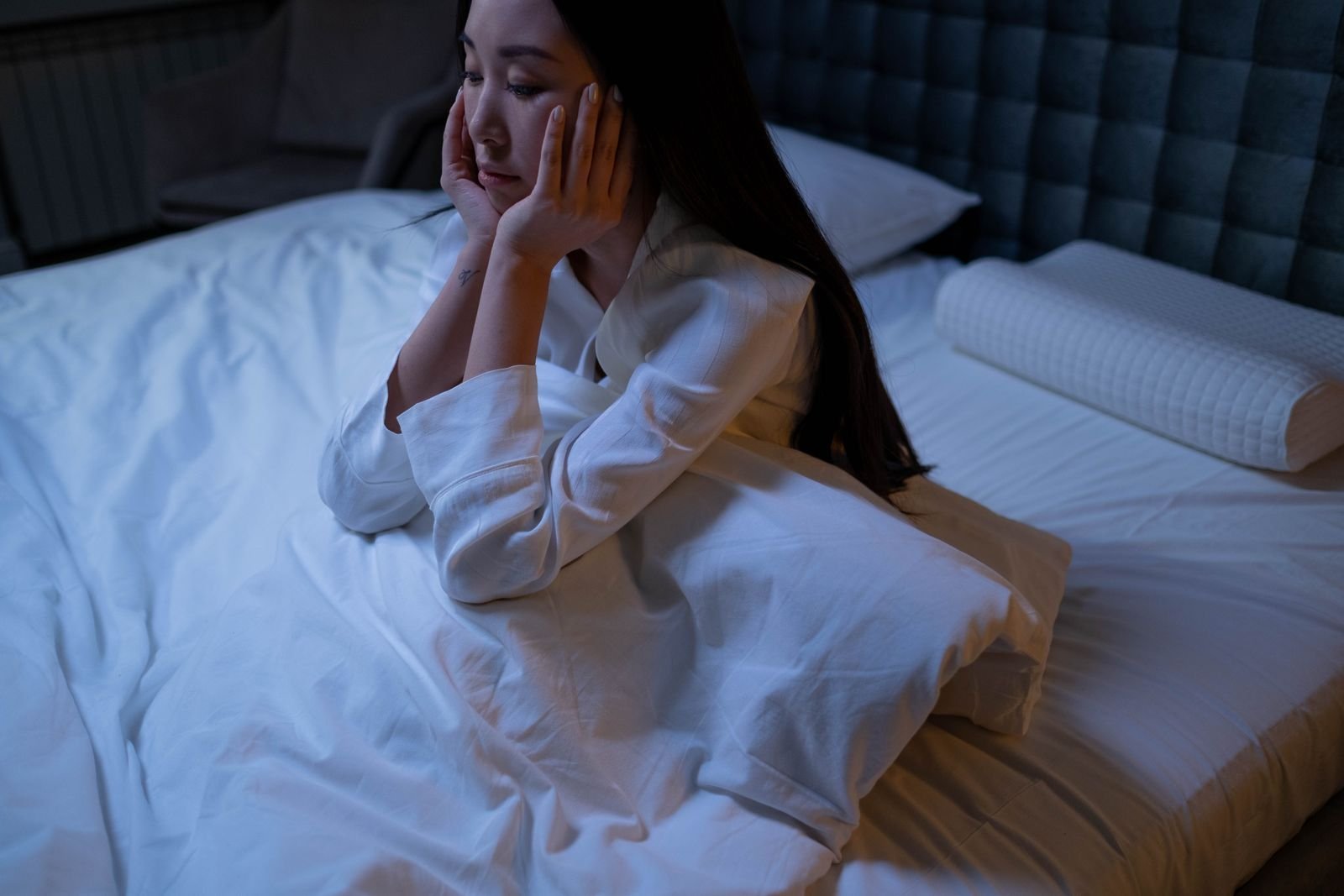
Nocturnal panic attacks wake you from sleep, usually not from a dream. Women describe a sudden surge of terror, pounding heart, sweating, trembling, shortness of breath, tingling in the hands, nausea or a feeling that something is very wrong. It usually peaks within about 10 minutes, but the fear of it happening again can keep you up for hours.
What should you do during a night panic attack?
- Check for emergency signs first. If anything points to a heart problem, call 911. It is always fine to be checked.
- Name it: “This is panic. It is uncomfortable, but it will pass.” Labeling it lowers the fear of the fear.
- Cool down if you are hot: throw off covers, turn on the fan.
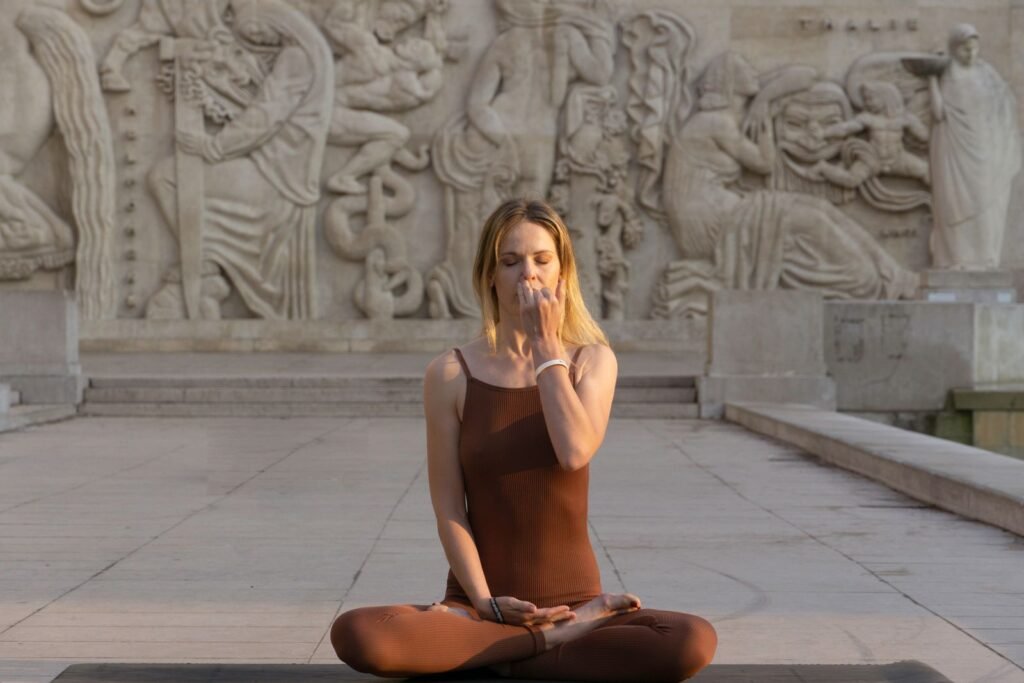
- Slow your breathing: in through your nose for 4 counts, out through pursed lips for 6 to 8 counts, for 3 to 5 minutes. Long out-breaths turn on the body’s calming system.
- Ground yourself: name 5 things you can see in the dim light, 4 you can feel, 3 you can hear.
- Get up if you need to. Sit in another room in low light until you feel calm, then return to bed.
- Do not search symptoms on your phone at 3 a.m. It nearly always makes things worse.
For breathing patterns, see how to fall asleep faster after 50.
What could recovery look like?
Here is one example. A 49-year-old woman wakes in panic two or three nights a week. She sees her doctor, who checks her heart, thyroid and blood count, all normal. She starts CBT with a therapist, practices paced breathing daily, cuts her afternoon coffee and evening wine, and begins hormone therapy for night sweats. Within six weeks she has one mild episode a week, and she knows how to settle it in a few minutes.
How are nighttime panic attacks treated?
| Treatment | What it does |
|---|---|
| Cognitive behavioral therapy (CBT) | The leading talk therapy for panic; teaches you to stop fearing the sensations |
| SSRIs or SNRIs | First-line medicines for panic disorder; some also reduce hot flashes |
| Hormone therapy | Reduces night sweats that set off panic; may improve mood in perimenopause |
| Oral micronized progesterone at bedtime | Calming and sleep-promoting; trials showed fewer night sweats and better sleep |
| CBT for insomnia | Fixes the broken sleep that makes anxiety worse |
| Regular exercise | Lowers baseline anxiety and improves sleep |
Benzodiazepines, such as lorazepam, work fast but carry risks of dependence, falls and memory problems after 50. Most doctors avoid them for long-term use.
What can lower your risk of night panic?
- Limit caffeine, especially after noon. It can mimic and trigger panic symptoms. See caffeine cutoff for sleep.
- Go easy on alcohol. As it wears off around 2 to 3 a.m., it can cause a rebound jolt of alertness. See does alcohol help you sleep.
- Keep the bedroom cool to reduce night sweats.
- Wind down for 30 to 60 minutes before bed, without news or work email.
- Write down worries earlier in the evening. See CBT for insomnia.
- Practice breathing during the day so it is automatic at night.
What else can cause sudden night waking with a racing heart?
Your doctor may check for:
- Sleep apnea: Gasping awake with a pounding heart is a classic sign. See sleep apnea in women after 50.
- Overactive thyroid: Racing heart, weight loss, tremor, heat intolerance.
- Heart rhythm problems: Irregular or very fast heartbeat that lasts.
- Low blood sugar at night, especially with diabetes medicines.
- Acid reflux: Chest burning and choking sensations when lying flat.
- Medicines or withdrawal from alcohol, sleep aids or some antidepressants.
If you ever have thoughts of harming yourself, call or text 988 in the US to reach the Suicide and Crisis Lifeline.
What does Mayo Clinic say about nighttime panic attacks?
They are real, frightening and treatable. Mayo Clinic explains that nocturnal panic attacks can wake you from sleep with no clear cause. Symptoms match daytime attacks: sweating, a racing heart, trembling, shortness of breath or heavy breathing, feeling flushed or chilled, lightheadedness and a sense of doom.
- How long they last: usually only a few minutes, though calming down enough to sleep can take longer.
- Daytime link: people who have night attacks tend to have daytime attacks too.
- Hidden causes: a sleep disorder, asthma or a thyroid condition can sometimes cause panic symptoms.
- Treatment: cognitive behavioral therapy, medicine or both.
How is a panic attack different from a hot flash?
They overlap more than most women realize. Mayo Clinic lists hot flashes as a possible panic symptom, and lists anxiety as a possible hot flash symptom. The pattern helps you tell them apart.
| Hot flash or night sweat | Panic attack | |
|---|---|---|
| How it starts | A wave of heat spreading through the chest, neck and face | A sudden surge of intense fear |
| Main feelings | Heat, flushing, sweating, then a chill | Pounding heart, shortness of breath, trembling, sense of doom |
| Other signs | Fast heartbeat, some anxiety | Chest pain, numbness or tingling, feeling unreal |
| Length | Usually 1 to 5 minutes | Peaks within minutes |
Many women have both in the same night, since waking drenched and confused can spark fear. Treating night sweats often reduces night panic too.
When could it be your heart instead of panic?
This matters after 50, because heart attack symptoms in women can be subtle. A Mayo Clinic expert notes that symptoms starting at rest, such as on waking, are more often linked to a heart attack. Heart attack chest pain tends to be squeezing pressure that builds and can spread to the arm, jaw, shoulder blades or back.
- Call 911 if you have chest pressure or pain that does not ease, especially with shortness of breath, nausea or a cold sweat.
- Seek care if it is your first episode, even if you suspect panic.
- Seek care right away if symptoms resemble a heart problem you have had before.
When in doubt, get checked. Being told it was panic is far better than missing a heart attack.
Why does CBT work so well for panic?
Because avoidance feeds fear. Mayo Clinic psychologists explain that panic comes from the body’s fight-or-flight response firing when there is no danger. Trying to avoid every trigger brings short-term relief but keeps the fear alive.
The best-supported treatment is a part of CBT called exposure therapy. With a therapist, you gradually and safely bring on the sensations you fear, such as a fast heartbeat, until your brain learns they are not dangerous. Mayo Clinic’s psychologists compare panic to a wave: it builds, peaks and comes back down, because the body cannot keep it going forever.
Mayo Clinic Press estimates almost 5% of U.S. adults have panic disorder at some point in their lives, so effective help is widely available.
Which habits make night panic more likely?
A few everyday factors raise the odds. Mayo Clinic lists smoking and excessive caffeine as risk factors for panic attacks, and notes alcohol can cause or worsen anxiety.
- Cut caffeine after noon, or stop it entirely for a few weeks to test the effect.
- Limit alcohol, especially in the evening, since sleep breaks up later in the night after drinking.
- Keep a steady sleep schedule, since short sleep raises anxiety the next day.
- Practice slow breathing in daylight, so it is automatic when you need it at night.
What helps with panic attacks at night?
Licensed counselor Paige Pradko explains why panic attacks can strike at night and how to respond when one wakes you.
What can help you manage night panic?
These support the steps above: learning CBT skills, keeping the room cool and calm, and settling your body. Our picks:
- Quiet Your Mind and Get to Sleep by Colleen Carney, PhD, and Rachel Manber, PhD: A CBT workbook for insomnia linked with anxiety and low mood. Check price on Amazon
- DREO Tower Fan: Fast cooling with a remote when a night sweat starts the spiral. Check price on Amazon
- Magicteam White Noise Machine: A steady, soothing sound that gives your mind something neutral to focus on. Check price on Amazon
- The Women’s Guide to Overcoming Insomnia by Shelby Harris, PsyD: A sleep psychologist’s program for women, with tools for night-time anxiety. Check price on Amazon
Frequently asked questions
Can perimenopause cause panic attacks for the first time?
Yes. Many women report their first panic attacks in their 40s or early 50s. Hormone changes, night sweats and poor sleep all play a role. A doctor can help rule out other causes and discuss treatment.
Are night panic attacks dangerous?
A panic attack itself is not dangerous, even though it feels terrifying. But because symptoms overlap with heart problems, get checked the first time and any time symptoms are different.
Will hormone therapy stop my panic attacks?
It may help if night sweats or hormone swings are driving them. Hormone therapy is not an approved anxiety treatment on its own, so CBT or other anxiety treatment is often part of the plan.
Why do panic attacks happen around 2 or 3 a.m.?
Sleep is lighter in the second half of the night, alcohol wears off, and stress hormones begin to rise toward morning. Night sweats also cluster in the night. Together they make that window a common time.
How long does a night panic attack last?
Mayo Clinic says nighttime panic attacks usually last only a few minutes, though it can take a while to calm down and fall back asleep.
Can caffeine cause panic attacks at night?
It can raise the risk. Mayo Clinic lists excessive caffeine as a risk factor for panic attacks, and caffeine late in the day also makes it harder to sleep.
Sources and further reading
- Panic Disorder: When Fear Overwhelms, National Institute of Mental Health
- Anxiety symptoms across the menopausal transition (SWAN), PubMed
- Depression and Menopause, The Menopause Society
- Heart Attack Symptoms in Women, American Heart Association
- Panic attacks and panic disorder: Symptoms and causes, Mayo Clinic
- Nighttime panic attacks: What causes them?, Mayo Clinic
- Panic attack isn’t life-threatening, but can be frightening, Mayo Clinic News Network
- You don’t have to live in constant fear of panic attacks, Mayo Clinic Press
- Hot flashes: Symptoms and causes, Mayo Clinic
- Panic attack, Wikipedia
A quick note: this is general health information, not medical advice. Talk with your doctor before starting, stopping, or changing any treatment.