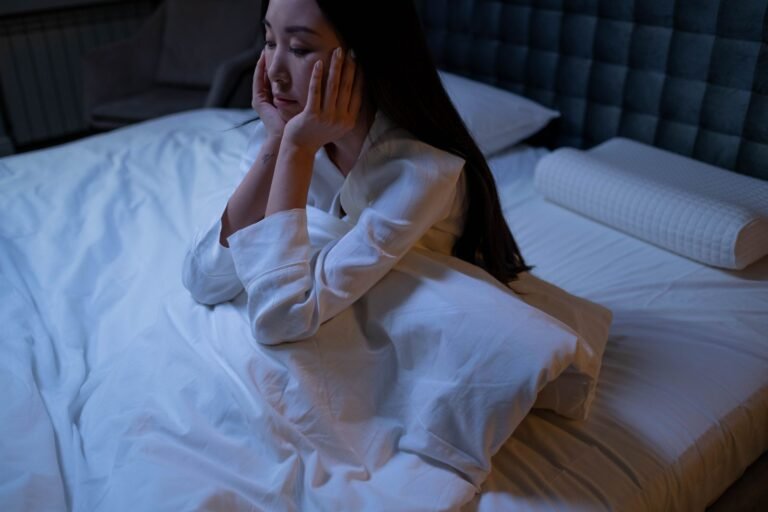
How to Sleep With a Snoring Partner (and Help Them Snore Less)
This article contains affiliate links. As an Amazon Associate, we earn from qualifying purchases, at no extra cost to you. Learn more.
To sleep with a snoring partner, work on two fronts at once. Protect your own sleep with a steady sound like a fan or white noise, well-fitted foam earplugs, and a head start on falling asleep. At the same time, help your partner snore less: side sleeping, raising the head of the bed and skipping alcohol before bed all help. If the snoring is loud, nightly, or comes with gasping, it needs a doctor’s check for sleep apnea.
| What you can do | Who it helps | Why it works |
|---|---|---|
| White noise or a fan | You | A steady sound masks sudden snorts that wake you |
| Foam earplugs | You | Lowers the volume reaching your ears |
| Go to bed first | You | You are already asleep before the snoring starts |
| Side sleeping and a raised head | Your partner | Keeps the airway more open |
| No alcohol close to bedtime | Your partner | Alcohol relaxes throat muscles |
| A doctor’s visit | Both of you | Loud nightly snoring can be a sign of sleep apnea |
Why does my partner’s snoring keep waking me up?
Snoring happens when relaxed tissues in the throat partly block the airway and vibrate as air moves past them. Mayo Clinic lists the usual contributors: the shape of the mouth and throat, alcohol before bed, nasal congestion, sleep deprivation and sleeping on the back. Being male and being overweight raise the odds too.
The sound itself is only half the problem. Snoring is rarely a smooth, even noise. It rises and falls, stops, then starts again with a snort. Your brain is good at tuning out steady sound but keeps reacting to sudden changes, which is why an irregular snorer can wake you again and again.
It also tends to bother you more as you get older. Mayo Clinic notes that sleep often becomes less restful with age, so noise and other changes around you are more likely to wake you. If you have noticed that you have become a lighter sleeper, our guide on why you may be a light sleeper after 50 explains what is going on.
How much sleep can a snoring partner cost you?
It can be a lot. The Wikipedia overview of snoring notes that snoring is sometimes described as more of a problem for the bed partner than for the snorer, and that losing an hour of sleep a night adds up to a full night lost every week.
One small Mayo Clinic study of 10 married couples, published in 1999, measured this directly. When the husbands’ snoring and sleep apnea were treated, their wives gained roughly an extra hour of sleep a night, and the wives’ brief awakenings dropped noticeably (study abstract on PubMed). It was a tiny study, so treat it as a hint rather than proof, but it matches what many women describe.
How can I sleep through snoring tonight?
These steps protect your sleep while the longer-term fixes take effect. Most women do best combining two or three of them.
- Add a steady background sound. A white noise machine, a fan or a pink noise track blurs the edges of each snore. Cleveland Clinic sleep psychologist Michelle Drerup explains that steady noise can mask sudden sounds such as a snoring partner. No research has compared pink and white noise head to head, so pick whichever sound you find most pleasant.
- Wear foam earplugs the right way. Roll the plug into a thin cylinder, gently pull the top of your ear up and back, slide it in and hold it while it expands. A plug that only sits at the opening of the ear blocks far less sound. Use a fresh pair often, and give your ears a break if they feel sore.
- Fall asleep first. Some people find snoring easier to sleep through once they have already drifted off. Try going to bed 20 to 30 minutes before your partner, with an agreed quiet routine when they come in.
- Use earplugs and white noise together on bad nights. The plugs cut the volume and the sound covers what still gets through.
- Have a plan for the 2 a.m. wake-up. Rather than lying there getting angry, a gentle nudge and a reminder to roll onto their side is often enough. If you still cannot settle, move to another bed for the rest of the night without guilt.
If you wake and cannot get back to sleep even after the snoring stops, the calming techniques in our guide to breathing exercises to fall asleep can help you settle again.

What can my partner do to snore less?
Your partner can usually change a lot without seeing a doctor. Mayo Clinic’s snoring treatment guidance suggests these home steps:
- Sleep on the side. Lying on the back lets the tongue fall back and narrow the airway. Mayo Clinic even suggests sewing a tennis ball into the back of a pajama top to discourage rolling over.
- Raise the head of the bed. Lifting it by about 4 inches may help. A wedge pillow is a simpler option for some people.
- Skip alcohol for at least two hours before bed. Alcohol and sedatives relax the throat muscles. Our article on whether alcohol helps you sleep covers the other ways a nightcap disturbs the night.
- Treat a stuffy nose. Allergies or a deviated septum can force mouth breathing. Nasal strips can widen the nasal passages, though Mayo Clinic notes they do not work for people with obstructive sleep apnea.
- Lose extra weight and quit smoking. Both are linked to less snoring.
- Get enough sleep. Being overtired is itself a snoring trigger.
How do you bring it up without starting a fight?
Many snorers have no idea how loud they are. The American Academy of Sleep Medicine notes that many people do not realize they snore at all. Pick a calm daytime moment, not 3 a.m. Talk about your sleep and your health rather than blame, and frame it as a shared problem. A short phone recording can help a doubtful partner hear what you hear.
One woman might start with: “I’ve been waking up four or five times a night and I’m exhausted. Your snoring has gotten louder lately, and I’d feel better if we found out why.” That opens the door to both the home fixes and a doctor’s visit.
When is a partner’s snoring a sign of sleep apnea?
This is the most important question in this article, because you are often the only witness. Mayo Clinic lists these warning signs alongside snoring:
- Pauses in breathing that you can see or hear
- Gasping or choking during the night
- Daytime sleepiness, morning headaches or a sore throat on waking
- Restless sleep, trouble concentrating, high blood pressure or chest pain at night
Snoring with any of these needs a medical check. Untreated obstructive sleep apnea is linked with higher risks of high blood pressure, heart problems, stroke and car accidents. The AASM adds that daytime tiredness despite enough time in bed is another reason to suspect it. Treatments such as a CPAP machine or a custom oral appliance can quiet the snoring and protect your partner’s health at the same time.
What if you are the one snoring?
Snoring is not only a men’s problem. The AASM estimates that about 24 percent of adult women snore regularly, compared with about 40 percent of men. If your partner says you snore too, our guides to why women start snoring after menopause and sleep apnea in women after 50 explain why it happens and what to ask your doctor.
What should I watch to understand when snoring is dangerous?
National Jewish Health, a respiratory and sleep hospital in Denver, explains in a short video how to tell ordinary snoring from snoring that signals a sleep disorder.
Is it okay to sleep in separate rooms because of snoring?
Yes, and plenty of couples do. Wikipedia’s snoring article lists earplugs, different bedtimes and sleeping in another room as the common ways partners cope. Separate rooms can be a sensible short-term answer while your partner gets checked, or a long-term arrangement that leaves you both rested and kinder to each other.
The key is that it is a choice you make together, not a door slammed at midnight. Keep time for closeness before sleep, and keep pushing for a diagnosis if the snoring is heavy, because moving rooms does nothing for your partner’s health. Our article on sleep divorce and whether to sleep apart walks through how to set it up so it helps your relationship rather than straining it.
What can help you sleep next to a snorer?
These match the steps above: masking the sound, blocking it, and helping your partner sleep with their head raised. Our picks:
- Mack’s Soft Foam Earplugs: Soft, slow-expanding foam plugs that you can roll thin for a snug fit, a simple first step for blocking snoring. Check price on Amazon
- Magicteam White Noise Machine: A bedside sound machine with steady white noise and fan sounds that can cover the stop-start pattern of snoring. Check price on Amazon
- Kolbs Bed Wedge Pillow: A foam wedge that raises your partner’s head and upper body, an easy way to try the raised-head position Mayo Clinic suggests for snoring. Check price on Amazon
Frequently asked questions
How can I block out my husband’s snoring?
Combine a steady background sound, such as white noise or a fan, with foam earplugs inserted deep enough to seal. Going to bed first can also help, so you are already asleep when the snoring starts.
Is it safe to wear earplugs every night?
Soft foam earplugs are a common nightly tool for partners of snorers. Use fresh plugs often, keep them clean, and take a break and check with your doctor if your ears become sore, itchy or feel blocked.
Can a wedge pillow really reduce snoring?
It can help some people. Mayo Clinic suggests raising the head of the bed by about 4 inches, and a wedge is a simple way to try that, though side sleeping and avoiding alcohol at night matter too.
When should my partner see a doctor about snoring?
If you notice pauses in breathing, gasping or choking, or your partner is sleepy during the day or wakes with headaches, book a visit. These can be signs of obstructive sleep apnea, which is treatable.
Will my partner’s snoring get better on its own?
It rarely disappears without changes. Losing weight, side sleeping, cutting evening alcohol and treating nasal congestion often reduce it, and medical treatment can quiet snoring caused by sleep apnea.
Sources and further reading
- Snoring: Symptoms and causes, Mayo Clinic
- Snoring: Diagnosis and treatment, Mayo Clinic
- Insomnia: Symptoms and causes, Mayo Clinic
- Snoring, Wikipedia
- Snoring, American Academy of Sleep Medicine (Sleep Education)
- Can Pink Noise Help You Sleep?, Cleveland Clinic
- The effect of snoring and obstructive sleep apnea on the sleep quality of bed partners, PubMed (Mayo Clinic Proceedings)
A quick note: this is general health information, not medical advice. Talk with your doctor before starting, stopping, or changing any treatment.