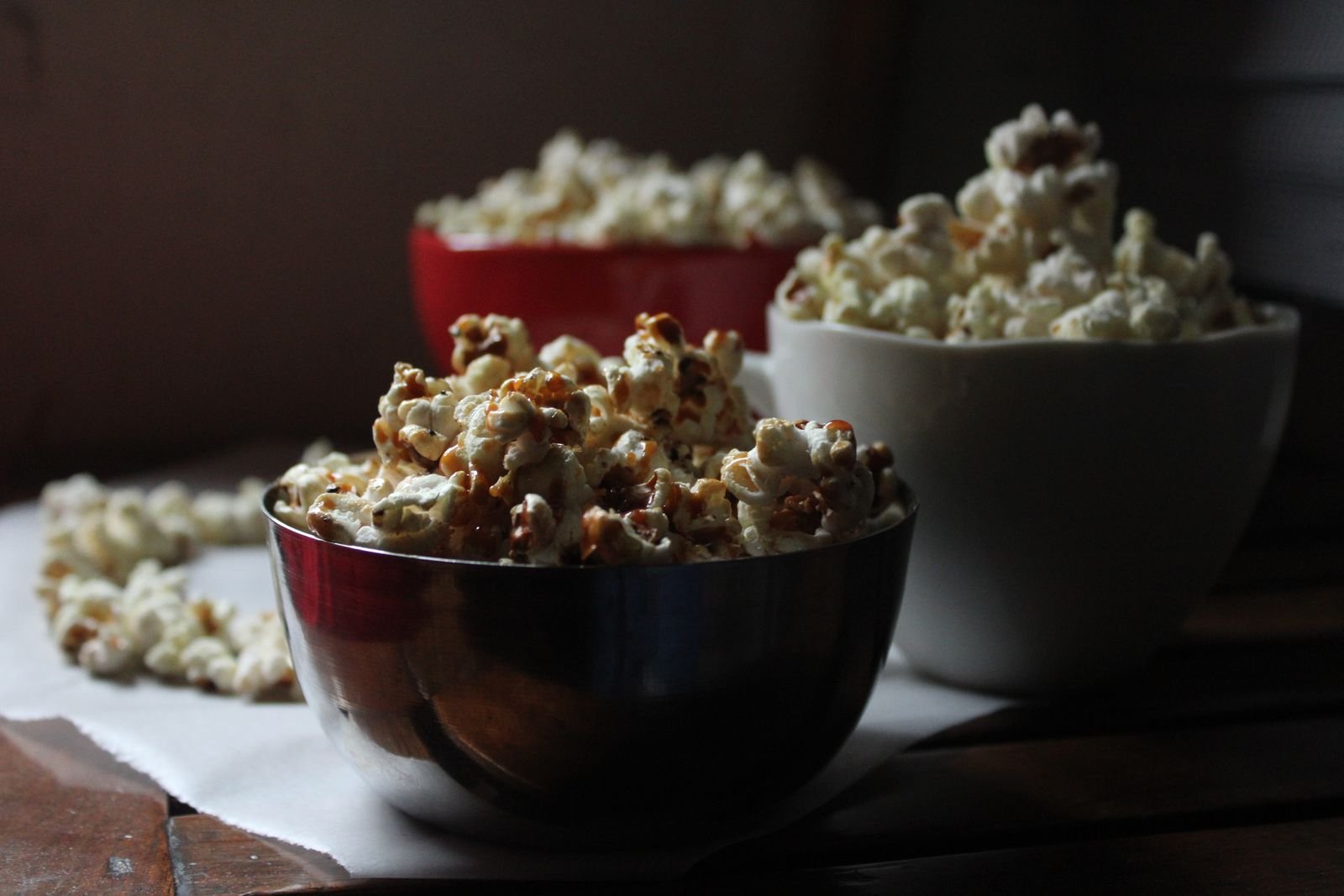
What to Eat Before Bed for Better Sleep (and What to Avoid)
This article contains affiliate links. As an Amazon Associate, we earn from qualifying purchases, at no extra cost to you. Learn more.
The best thing to eat before bed is a small, light snack, and only if you are truly hungry. Good choices pair a complex carbohydrate with a little protein or healthy fat, such as whole-grain crackers with peanut butter or a small bowl of whole-grain cereal with milk. Avoid large, fatty, spicy or sugary meals, plus caffeine and alcohol, in the evening. Finish dinner a few hours before lying down.
| Better before bed | Why it can help | Go easy on |
|---|---|---|
| Whole-grain crackers, toast or cereal | Complex carbs are easier on sleep than sweets | Cookies, cake, candy |
| A little peanut butter, nuts or seeds | Healthy fats and some magnesium | Chips and fried snacks |
| Warm milk or a small yogurt | Light protein that is easy to digest | Rich cheeses and creamy desserts |
| Chamomile or another caffeine-free tea | A warm, calming ritual | Coffee, cola, chocolate, alcohol |
Should you eat before bed at all?
You do not have to. If dinner was satisfying and you are not hungry, there is no need for a bedtime snack. The goal is to avoid two extremes. Mayo Clinic’s sleep tips put it simply: don’t go to bed hungry or stuffed. Heavy meals close to bedtime can cause discomfort that keeps you awake, and a growling stomach can do the same.
The American Academy of Sleep Medicine gives similar advice in its healthy sleep habits guide: don’t eat a large meal before bedtime, and if you are hungry at night, have a light, healthy snack. It also suggests reducing how much you drink before bed, which matters if you already wake up to use the bathroom.
How small is a “light” snack?
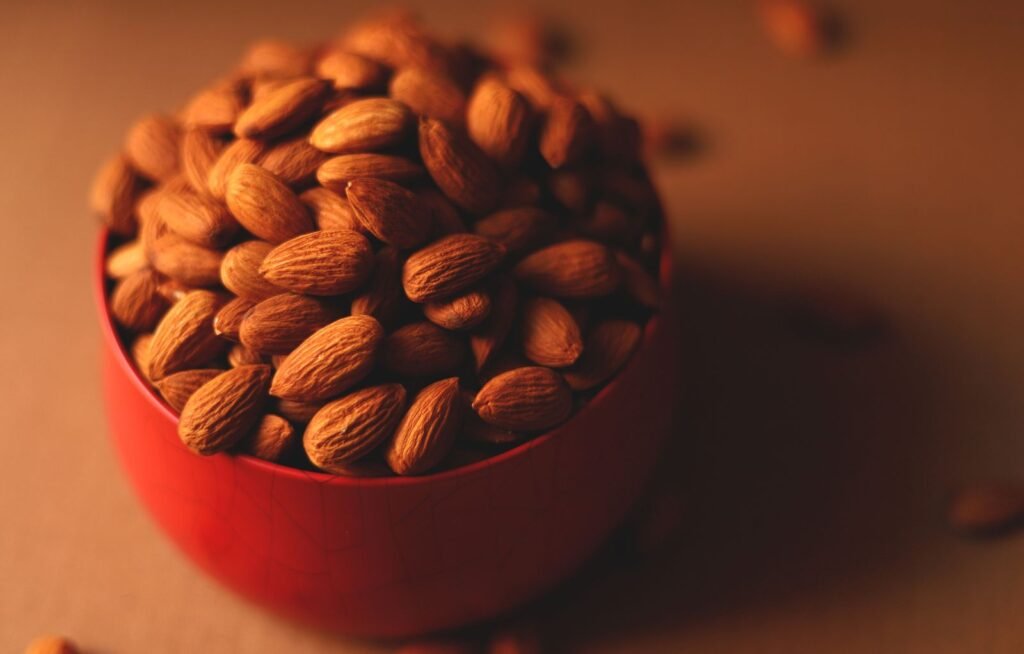
Think of something you could eat in a few minutes from a small plate: a slice of whole-grain toast with a thin layer of nut butter, a handful of almonds, or half a cup of cereal with milk. The aim is to take the edge off hunger, not to have a second dinner.
Which foods may help you sleep?
No food works like a sleeping pill, and research on single “sleep foods” is limited. But some food patterns are kinder to sleep than others. The Cleveland Clinic’s guide to foods that help you sleep, written with a registered dietitian, points to a few groups worth leaning on.
Complex carbohydrates
Whole-grain bread, crackers, cereal, pasta and brown rice are the better carbohydrate choices in the evening. The Cleveland Clinic dietitian notes that simple carbs such as sweets tend to reduce serotonin levels and do not promote sleep.
There is a plausible reason carbohydrates can make you drowsy. Tryptophan is an amino acid the body uses to make serotonin and, from serotonin, the sleep hormone melatonin. Eating carbohydrates raises insulin, which clears competing amino acids from the blood so that more tryptophan can reach the brain. That may explain why a big holiday meal makes people sleepy. The turkey itself is probably not the reason: it has about the same tryptophan as other poultry.
Lean proteins
Small portions of turkey, chicken, fish, low-fat cheese, egg whites, soybeans or pumpkin seeds contain tryptophan. Paired with a whole grain, they make a balanced snack that keeps you full without sitting heavily.
Nuts, seeds and magnesium-rich foods
Walnuts, almonds, cashews and pistachios, along with spinach, seeds, avocados and black beans, provide magnesium. Cleveland Clinic notes that magnesium is associated with better sleep quality. That is an association, not proof that eating more of it will help you sleep, but these foods are healthy choices anyway. Our article on magnesium for sleep after 50 looks at the evidence in more detail.
Tart cherries
Tart cherry juice comes up often as a sleep food. Cleveland Clinic describes it as something that seems to promote sleep, which is a cautious way of saying the evidence is encouraging but not settled. If you try it, keep the glass small: it contains natural sugar, and a full glass of any drink at bedtime can send you to the bathroom at night.
What should you avoid eating before bed?
For many women over 50, what you skip in the evening matters more than what you add. Here are the common culprits.
Caffeine, including the hidden kind
Mayo Clinic notes that the stimulating effects of caffeine and nicotine take hours to wear off and can interfere with sleep. Caffeine is not only in coffee, so check the labels on teas, sodas and chocolate desserts too. The Cleveland Clinic dietitian suggests having your last cup by 2 p.m. if you have trouble sleeping, and notes that even small amounts can keep some people awake.
Alcohol
A nightcap feels relaxing, but Mayo Clinic explains that even though alcohol might make you feel sleepy at first, it can disrupt sleep later in the night. That is one reason a glass of wine with dinner can lead to a 3 a.m. wake-up. Read more in does alcohol help you sleep?
Fatty, fried and spicy foods
Cleveland Clinic notes that fatty and fried foods, such as wings, high-fat cheese and fried fish, take longer to digest and can keep you awake. It also flags red and black pepper as having a stimulating effect at night.
Sugary snacks and desserts
Cookies, cake and candy are the classic late-night snacks, but they are the simple carbohydrates the dietitian suggests avoiding before bed. If you want something sweet, a small piece of fruit or a few whole-grain crackers with a little honey is a gentler choice.
How long before bed should you stop eating?
A good general rule is to finish your main meal two to three hours before bed and keep anything later small. If you get heartburn or reflux, the timing becomes more important. The National Institute of Diabetes and Digestive and Kidney Diseases (NIDDK) says that if you have nighttime or lying-down symptoms, eating meals at least 3 hours before you lie down may improve them.
NIDDK also lists foods and drinks commonly linked to reflux symptoms. These include citrus fruits and tomatoes, chocolate, coffee and other caffeine sources, high-fat foods, mint, spicy foods and alcohol. Not everyone reacts to all of them, so talk with your doctor about which ones affect you.
For nighttime reflux, NIDDK’s treatment guidance also suggests raising the head of your bed 6 to 8 inches or using a foam wedge, along with losing weight if needed and quitting smoking. Our guide on how to sleep with acid reflux covers positions and habits in more detail.
What are some easy bedtime snack ideas?
These combine a complex carbohydrate with a bit of protein or healthy fat, and none is heavy:
- Two or three whole-grain crackers with a thin spread of peanut butter
- A small bowl of whole-grain cereal with milk
- Half a turkey or chicken sandwich on whole-grain bread
- A slice of whole-grain toast with a little avocado
- A small handful of walnuts or almonds with a few cherries
- Warm milk or a cup of chamomile tea, if you prefer a drink to food
If you like a warm drink as part of your routine, our comparison of herbal teas for bedtime explains which ones are worth trying and which contain hidden caffeine.
What does a better evening of eating look like?
One woman might have a large pasta dinner with a glass of wine at 8 p.m., then a bowl of ice cream at 10, and wonder why she wakes up hot and restless at 2 a.m. A gentler version of the same evening could be dinner at 6:30 with a smaller portion of whole-grain pasta and vegetables, water instead of wine, and a few crackers with peanut butter around 9 if she is hungry. She still eats well, but her stomach has time to settle before she lies down.
Is eating late different after 50 or during menopause?
Several changes make evening food choices matter more in midlife. Many women find reflux, bathroom trips at night and lighter sleep become more common with age, and any of these can be made worse by a big late meal or a lot of fluid. If night sweats or hot flashes are part of your picture, it is worth watching how late meals and drinks affect them; our guide to night sweats ruining your sleep covers what helps.
Keep a short food and sleep log for two weeks. Write down what you ate after 6 p.m., what time you ate it, and how you slept. Patterns usually show up faster than you expect.
When should you talk to your doctor?
- Heartburn or reflux that happens often or wakes you at night.
- Trouble swallowing, unexplained weight loss, or vomiting: see a doctor promptly.
- You take insulin or medicines that lower blood sugar and are unsure whether you need a bedtime snack.
- Night hunger or eating during the night that feels out of your control.
- Poor sleep most nights despite good evening habits.
Want a dietitian’s take on the best foods for sleep?
Registered dietitian Andrea Holwegner explains which foods and eating habits support better sleep.
What helps you put these bedtime eating habits into practice?
These support the steps above: logging your evening food and sleep, easing nighttime reflux, a caffeine-free evening drink, and a nutrition book written for women in midlife. Our picks:
- Clever Fox Medical Planner: A structured health log for your two-week food and sleep record, so you can spot which evening habits affect your nights. Check price on Amazon
- Kolbs Bed Wedge Pillow: A foam wedge that raises your head and upper body, the kind of setup NIDDK mentions for nighttime reflux. Check price on Amazon
- Amazon Grocery Chamomile Herbal Tea: A simple caffeine-free tea for a warm evening drink in place of coffee, cocoa or a nightcap. Check price on Amazon
- Next Level by Stacy Sims, PhD: An exercise physiologist and nutrition scientist’s guide to eating and training through menopause, useful for planning meals that fit your evenings. Check price on Amazon
Frequently asked questions
Is it bad to eat right before bed?
A large meal right before bed can cause discomfort and reflux that keep you awake. A small, light snack is usually fine if you are hungry, but try to finish your main meal a few hours before lying down.
Does warm milk really help you sleep?
Warm milk is a light, comforting drink that Cleveland Clinic includes among bedtime options. Its biggest benefit is probably the calming ritual, so keep the cup small to avoid a night-time bathroom trip.
Is a banana a good bedtime snack?
A banana is a light, easy-to-digest snack, and pairing half of one with a spoonful of nut butter adds a little protein and fat. It will not knock you out, but it is a far better choice than cookies or chips.
Can eating late cause night sweats?
A heavy, spicy or alcohol-heavy evening can make some women feel hotter at night. If you have night sweats, keep a two-week log of late meals and drinks to see whether they make a difference for you, and talk with your doctor if sweats are frequent.
Should I eat before bed if I wake up hungry at night?
If hunger regularly wakes you, try a slightly larger dinner with more protein and fiber, or a small snack about an hour before bed. If night hunger feels hard to control or comes with other symptoms, mention it to your doctor.
Sources and further reading
- Sleep tips: 6 steps to better sleep, Mayo Clinic
- Healthy Sleep Habits, American Academy of Sleep Medicine
- 6 Foods That Help You Sleep, Cleveland Clinic
- Eating, Diet, and Nutrition for GER and GERD, NIDDK
- Treatment for GER and GERD, NIDDK
- Tryptophan, Wikipedia
A quick note: this is general health information, not medical advice. Talk with your doctor before starting, stopping, or changing any treatment.