What Is the Best Bedroom Temperature for Sleep?
This article contains affiliate links. As an Amazon Associate, we earn from qualifying purchases, at no extra cost to you. Learn more.
The bedroom temperature most often recommended for sleep is about 60 to 67°F (15 to 19°C), a range Cleveland Clinic sleep psychologist Michelle Drerup, PsyD, gives as a rule of thumb. Older adults are not always best served by the cold end, though: a 2023 study of adults in their own homes found sleep was most efficient between about 68 and 77°F (20 to 25°C). The best number for you is the one where you neither wake hot nor lie awake cold, and you can find it with a thermometer and two weeks of testing.
| If this sounds like you | A reasonable place to start testing |
|---|---|
| You have night sweats or sleep hot | The cooler end, around 62 to 65°F, with light layers |
| You sleep cold or have poor circulation | Around 66 to 68°F, with warm socks and a removable blanket |
| You are 65 or older, or frail | Stay well above 64°F and test upward from about 66 to 68°F |
| You share a bed with a different sleeper | A middle setting, then split the bedding |
Why does room temperature affect sleep so much?
Your core body temperature naturally drops in the evening as part of the process that starts sleep, and it stays lower through the night. To shed that heat, blood flows out to your hands and feet. A cool room makes that heat loss easy. A warm or humid room makes it harder, so you sleep more lightly and wake more often.
Cleveland Clinic notes that heat is a particular disruptor of REM sleep, and that a bedroom that becomes uncomfortably hot or cold makes you more likely to wake up. Too cold has its own problems: your blood vessels tighten and your body works harder to stay warm, which can keep you awake and puts extra strain on the heart.
Why do older adults and menopausal women need a different setting?
The classic 60 to 67°F range is general advice for adults. Two groups often need to adjust it.
What does the research say about older adults?
A 2023 study in Science of the Total Environment by Amir Baniassadi and colleagues at the Marcus Institute for Aging Research tracked community dwelling older adults at home, with wearable sleep monitors and room sensors. Sleep was most efficient and restful when the bedroom was between 20 and 25°C (68 to 77°F), and sleep efficiency fell by a clinically relevant 5 to 10 percent as the room warmed from 25 to 30°C (77 to 86°F). The researchers also found large differences between individuals, and stressed personal adjustment.
Older bodies also sense and respond to cold less sharply, and MedlinePlus notes that older people are especially at risk of hypothermia. Put together, many people over 65 sleep better slightly warmer than the classic advice, and should be cautious with a very cold room.
What changes with menopause?
Night sweats are simply hot flashes that happen during sleep, as the Office on Women’s Health puts it, and they are one of the most common reasons women wake during the menopause transition. MedlinePlus advises keeping the bedroom dark, quiet and cool, and dressing in layers you can remove at the start of a hot flash. For women with night sweats, the cooler end of the range plus fast drying bedding usually helps more than a lower thermostat alone. Our guide to menopause and sleep covers treatment options worth discussing with your doctor.
How should you set up your bed, clothes and fan?
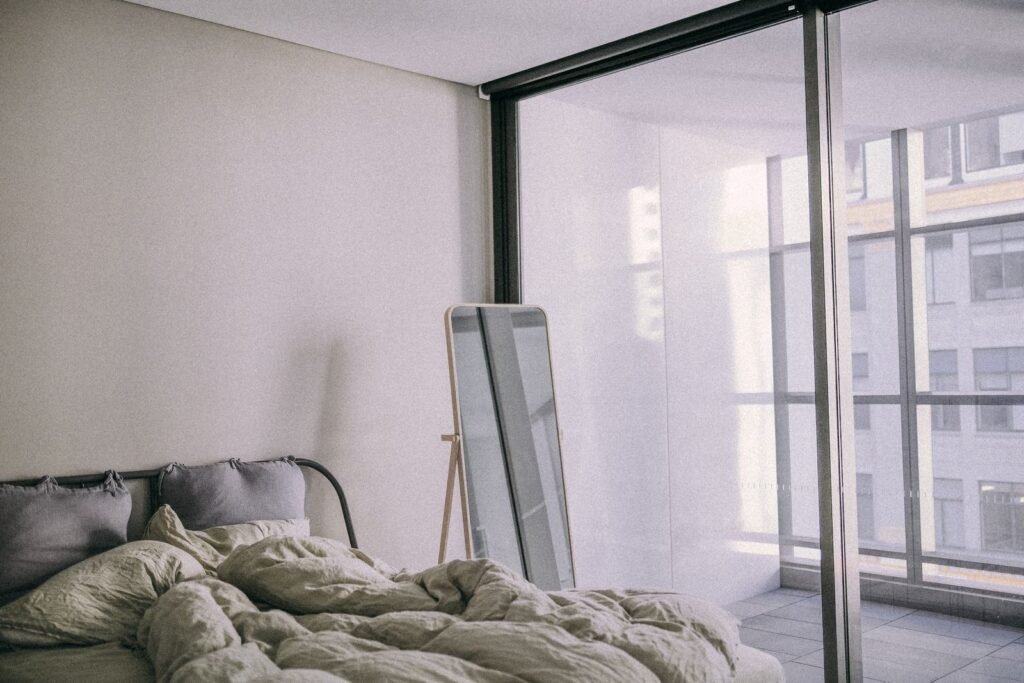
The small pocket of air between you and your covers matters as much as the room itself, so fix that first.
| Option | Cooling effect | Best for | Watch out for |
|---|---|---|---|
| Linen or cotton percale sheets | Good | Night sweats, warm rooms | Linen feels rough until washed a few times |
| Layers instead of one heavy duvet | Very good | Hot flashes, couples | Needs a few nights to get the mix right |
| Light, loose sleepwear | Good | Everyone | Synthetic fabrics can trap sweat |
| Tower or ceiling fan | Very good in mild heat | Hot sleepers, stuffy rooms | Not enough on its own in extreme heat |
| Air conditioning | Best | Heat waves, older adults | Cost; set it to cool, not cold |
| Warm socks | Warming | Cold feet keeping you awake | Remove them if you wake hot |
Three setup habits that make the biggest difference:
- Split the bed. If one of you runs hot, use two lighter blankets instead of one shared comforter.
- Keep a change of clothes by the bed. After a night sweat, a dry top gets you back to sleep faster than lying in damp fabric.
- Block daytime heat. Close blinds or thermal curtains on sunny afternoons so the room starts the night cool.
A warm bath can help too. A 2019 review in Sleep Medicine Reviews found that a bath or shower around 104 to 108°F (40 to 42.5°C), taken one to two hours before bed for as little as 10 minutes, was linked to falling asleep faster. The warm water draws blood to your skin, and your core then cools more quickly. Use a bath mat and grab bar if balance is a concern. For more ways to protect your most restorative sleep, see how to get more deep sleep after 50.
How do you measure and test your ideal temperature?
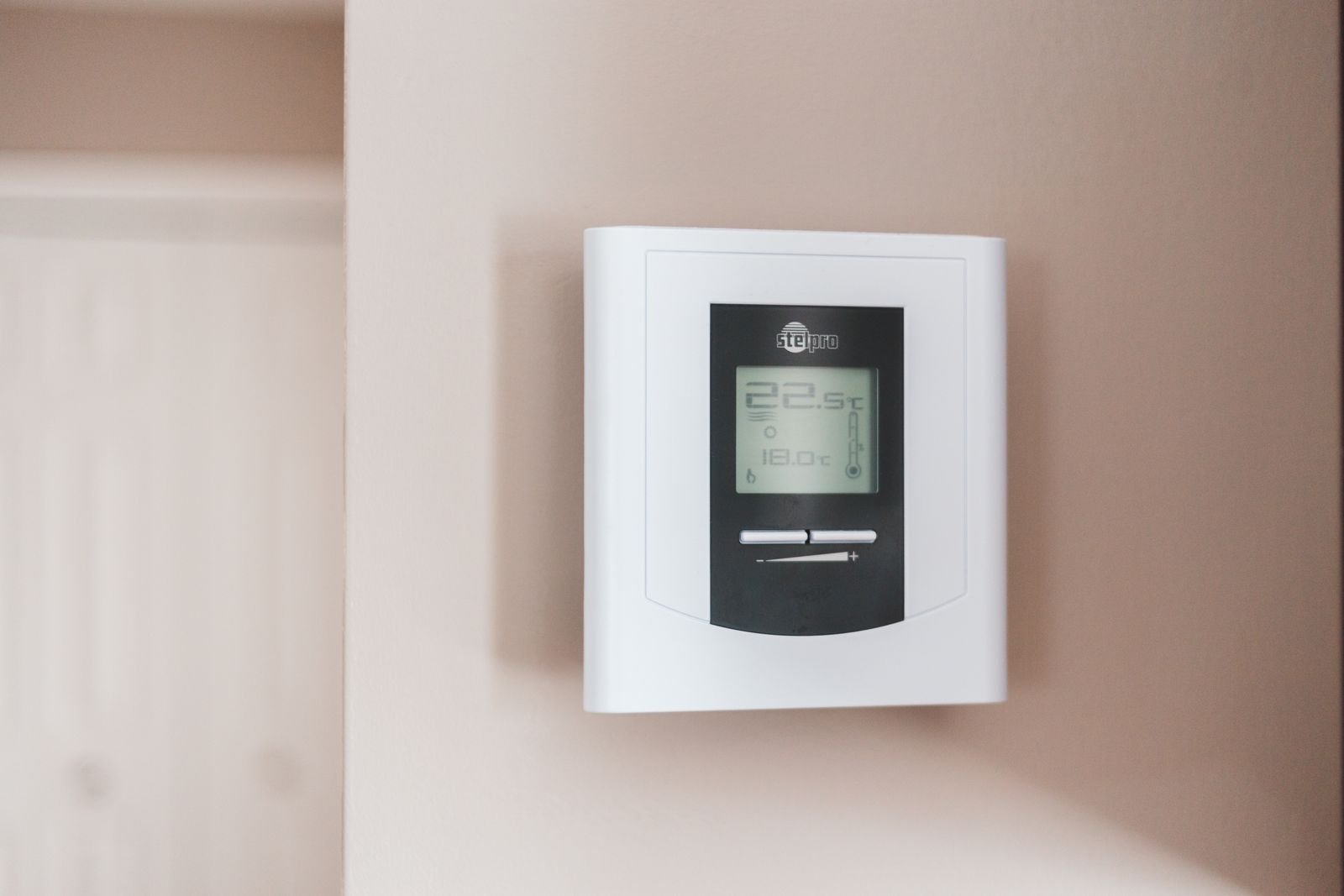
Your thermostat measures the air near the thermostat, often in a hallway, not the air beside your pillow. Bedrooms can run several degrees warmer or cooler, especially upstairs or in summer.
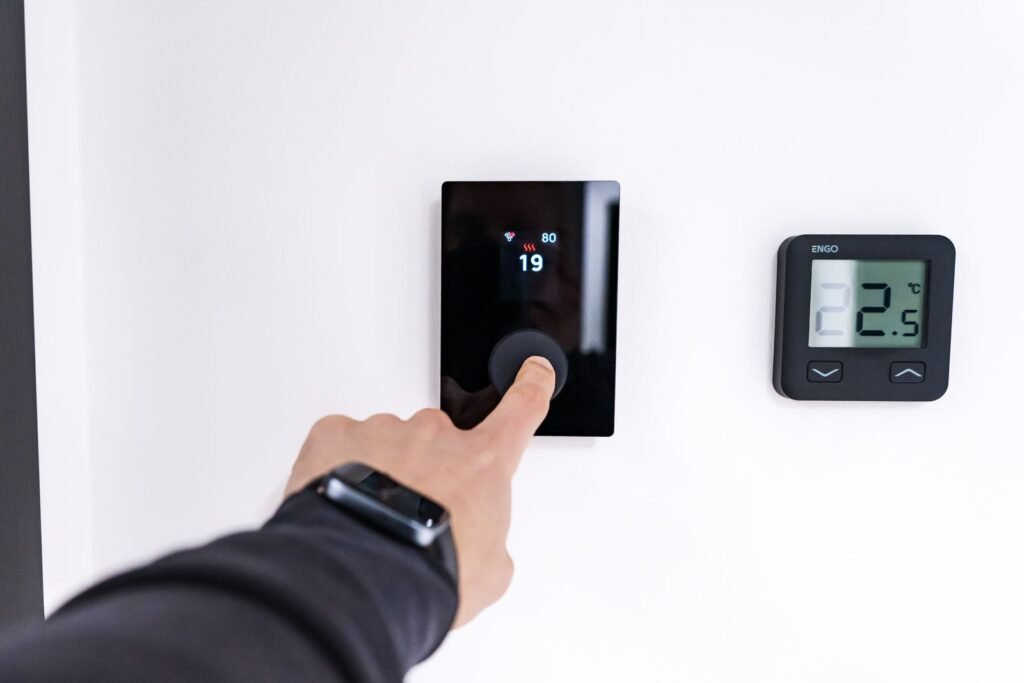
- Measure at bed height. Put a small thermometer and humidity reader on your nightstand, not near a window or vent.
- Record a baseline week. Note the bedtime and morning reading, how many times you woke, any night sweats, and how rested you feel from 1 to 5.
- Change one thing. Lower or raise the room by about 2°F, or change your bedding, but not both at once.
- Test for a week. Keep your bedtime, wake time and evening habits the same.
- Compare averages. Keep the change if your wake ups or rested score improved. If not, try a step in the other direction.
A worked example: you measure 71°F at the pillow and wake twice a night, sweaty, with a rested score of 2. You drop the room to 67°F, swap a heavy duvet for two light blankets and add a fan. A week later you average one wake up and a score of 3 or 4. That is your setting, at least for this season.
Humidity counts too. The EPA suggests keeping indoor humidity between 30 and 50 percent. Damp air makes a warm room feel hotter, while very dry air can irritate your nose and throat.
How do you stay safe in a heat wave?
Hot nights are more than uncomfortable for older adults. The CDC notes that people 65 and older are more likely to have health conditions that change the body’s normal response to heat, and more likely to take medicines that affect temperature control or sweating. Its heat advice includes:
- Use air conditioning if you have it. If you do not, contact your local health department or find an air conditioned shelter.
- Do not rely on a fan as your main cooling source when it is really hot outside.
- Take cool showers or baths, and keep drinking water.
- Seek medical care right away for signs of heat illness, such as muscle cramps, headache, nausea or vomiting.
If you live alone, ask someone to check on you during a heat wave, and keep a glass of water by the bed.
Can a bedroom be too cold for older adults?
Yes. Cold strains the heart and circulation, and older adults may not notice they are getting chilled. The World Health Organization’s housing and health guidelines set 18°C (about 64°F) as a minimum safe indoor temperature in cold seasons, and suggest higher for older people and others at risk. That is why we would not push an older relative toward 60°F to “sleep better”.
Signs that a room is too cold include waking with cold hands and feet, shivering, needing to curl up tightly, or feeling stiff and slow in the morning. A body temperature below 95°F is a medical emergency, according to MedlinePlus, and confusion, slurred speech or unusual sleepiness in a cold home needs urgent help.
When should you see a doctor?
- Night sweats soak your sheets regularly, especially with fever, weight loss or new symptoms. Menopause is a common cause, but not the only one.
- You feel cold all the time when others are comfortable, or you feel unusually tired and slowed down.
- You take medicines and are unsure how they affect heat or cold tolerance.
- You still sleep poorly after adjusting temperature for a few weeks. Our guide on how to fall asleep faster after 50 covers the next steps.
What is the ideal temperature for sleep?
A medical expert on CBS LA explains the ideal bedroom temperature for sleep.
What makes it easier to get your bedroom temperature right?
Measure first, then cool or warm the space around your body. These are simple, practical tools for doing that. Our sleep gear guide covers what to skip.
- ThermoPro TP50 Indoor Thermometer: A small display of temperature and humidity for your nightstand, the easiest way to run the two week test above. Check price on Amazon
- DREO Tower Fan: A quiet tower fan with a remote, useful for hot sleepers and stuffy rooms. Pair it with air conditioning, not instead of it, in a real heat wave. Check price on Amazon
- French Linen Sheet Set: Breathable linen that dries quickly, a good fit if night sweats or a warm room wake you. Check price on Amazon
- WiWi Lightweight Pajama Set: Light, soft sleepwear for women who run warm at night, and an easy spare to keep by the bed for a quick change after a sweat. Check price on Amazon
Frequently asked questions
Is 72°F too warm for sleeping?
For many younger adults it is on the warm side, and Cleveland Clinic considers a bedroom above 70°F too hot. For some older adults, the 2023 home study suggests sleep can still be efficient up to about 77°F. If you sleep well at 72°F, there is no need to change it.
Should I sleep with the window open?
An open window can cool a stuffy room and freshen the air on mild nights. Watch for noise, outdoor light, pollen and security, any of which can cost you more sleep than the cooler air gains. Close it before the room gets cold in the early morning.
What is the best temperature if my partner and I disagree?
Set the room for the warmer sleeper, around the middle of the range, then cool the hot sleeper with lighter covers, breathable sleepwear and a fan on their side. Separate blankets solve most of these arguments.
Is it better to sleep with socks on?
Warm feet help blood vessels in the feet open, which helps your body release core heat and may help you fall asleep. Socks are a good fix if cold feet keep you awake in a cool room. Take them off if you wake up hot.
Does drinking alcohol make me sleep hotter?
It can. Alcohol widens blood vessels in the skin and is a common hot flash trigger, so an evening drink can make a cool room feel warm by 2 a.m. See does alcohol help you sleep? for more.
Sources and further reading
- What’s the Best Temperature for Sleep?, Cleveland Clinic
- Nighttime ambient temperature and sleep in community-dwelling older adults, Science of the Total Environment (PubMed)
- Before-bedtime passive body heating by warm shower or bath to improve sleep, Sleep Medicine Reviews (PubMed)
- Heat and Older Adults (Aged 65+), Centers for Disease Control and Prevention
- Menopause, MedlinePlus
- Hypothermia, MedlinePlus
- Sleep tips: 6 steps to better sleep, Mayo Clinic
- Hot flashes: Symptoms and causes, Mayo Clinic
- Thermoregulation, Wikipedia
A quick note: this is general health information, not medical advice. Talk with your doctor before starting, stopping, or changing any treatment.