What Is the Best Sleep Position for Hip and Back Pain?
This article contains affiliate links. As an Amazon Associate, we earn from qualifying purchases, at no extra cost to you. Learn more.
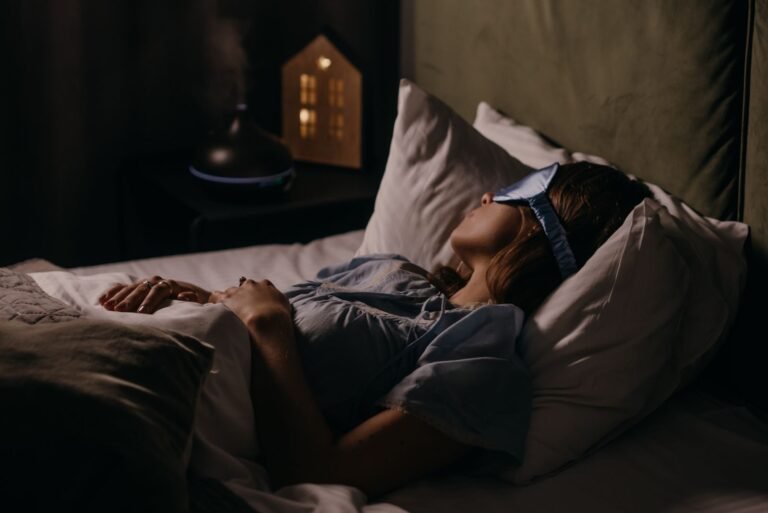
For most people with hip pain, the best position is on your side, lying on the side that does not hurt, with a firm pillow between your knees so your top leg does not drag your hip and pelvis out of line. For lower back pain, side sleeping with a knee pillow or back sleeping with a pillow under your knees usually eases strain the most. Stomach sleeping is the hardest position on both, though a thin pillow under your hips makes it more tolerable if you cannot sleep any other way.
The quick version:
- Hip pain: side, painless side down, knee pillow, top leg supported.
- Lower back pain: back with pillows under the knees, or side with a knee pillow.
- Both at once: side sleeping with a knee pillow is the usual sweet spot.
- After hip surgery: follow your surgeon’s position rules exactly, even if they differ from this article.
Which pillow setup suits each position?
Small changes in pillow placement often matter more than the position itself. Here are the setups we would start with, with honest ratings for hip and back comfort.
| Position | Pillow setup | Hip pain | Lower back pain |
|---|---|---|---|
| Side, knees slightly bent | Firm pillow between knees (and ideally ankles); head pillow tall enough to fill the gap above your shoulder | Good | Good |
| Side, hugging a pillow | Same as above, plus a pillow to hug so your top shoulder and leg do not roll forward | Very good | Good |
| Back | One or two pillows under the knees; medium head pillow; small rolled towel at the waist if it feels better | Fair to good | Very good |
| Slightly reclined | Wedge or recliner raising your upper body, pillow under knees | Fair | Good for some (see stenosis below) |
| Stomach | Thin pillow under hips and lower belly; very thin or no head pillow | Poor | Poor |
Why is side sleeping usually best for hip pain?
When you lie on your side without support, your top knee drops toward the mattress. That twists your pelvis, stretches the tissues over the outside of your top hip, and pulls on your lower back. A pillow between your knees keeps your legs roughly hip-width apart and your pelvis level.

Which side you choose matters. Pain on the outside of the hip, which is very common in women after 50 and is often called hip bursitis or greater trochanteric pain syndrome, usually gets worse with direct pressure. Lying on the sore side presses the tender spot into the mattress, while lying on it with the top leg unsupported strains the same tissues from the other direction. That is why the painless side, plus a knee pillow, tends to win.
If both hips hurt, a softer mattress topper can spread the pressure, and switching sides once during the night is fine.
When is back sleeping the better choice?
Back sleeping spreads your weight evenly and keeps your spine in a neutral line, which suits many people with lower back pain. The key detail is a pillow under your knees. With your legs straight, the muscles at the front of your hips pull your lower back into more of an arch; bending the knees slightly lets the lower back settle.
Back sleeping is less helpful if you snore or have sleep apnea, since lying flat can make breathing pauses worse. In that case, side sleeping is usually the safer comfort choice.
What if your back pain feels better bent forward?
Not all back pain behaves the same way. Many people with spinal stenosis, a narrowing of the spaces around the nerves that becomes more common with age, feel better when the spine bends forward. For them, a gently curled side position or sleeping slightly reclined is often more comfortable than lying flat. Other people feel worse when curled and better lying straighter. Notice which camp you are in and set up your pillows to match.
What should you know after a hip replacement?
Follow your surgeon’s and physical therapist’s instructions exactly. Position rules after hip replacement depend on the surgical approach used and on your own recovery, so they vary from person to person. According to the American Academy of Orthopaedic Surgeons, some patients are told for a period to avoid bending the hip past a certain angle, crossing their legs, or turning the operated leg inward, and a pillow or wedge between the legs is often used to keep the hip in a safe position.
Ask your care team three specific questions before you go home: which side you may lie on and when, whether you need a pillow between your legs and for how long, and when you can return to your usual position.
What does the evidence say about mattress firmness?
The old advice to sleep on the firmest mattress possible does not hold up well. A 2003 randomized trial in The Lancet by Kovacs and colleagues compared medium-firm and firm mattresses in adults with chronic lower back pain and found the medium-firm group did better on pain in bed, pain on getting up, and disability. A 2015 systematic review in Sleep Health by Radwan and colleagues reached a similar conclusion: medium-firm and self-adjustable mattresses came out best for comfort, sleep quality, and spinal alignment.
What that means in practice:
- If your hips sink and you wake with an aching back, your mattress may be too soft or worn.
- If your shoulder and hip feel bruised when you lie on your side, it may be too firm for side sleeping; a topper can soften it without buying a new bed.
- Give any change two to four weeks, since your body needs time to adjust.
For more on choosing pillows and bedding, see our sleep gear guide for after 50.
How can you ease morning stiffness?
Stiffness first thing in the morning is common with arthritis and back pain. Try this short routine before you stand up, and skip any move that causes sharp pain or that your surgeon or therapist has ruled out.

- Ankle pumps: lying on your back, point and flex your feet ten times to get blood moving.
- Pelvic tilts: with knees bent, gently flatten your lower back into the bed, then relax. Repeat slowly.
- Knee rocks: with knees bent and together, let them sway a short way side to side.
- Single knee hug: bring one knee toward your chest, hold a few breaths, then switch.
- Log roll out of bed: roll onto your side as one unit, drop your legs over the edge, and push up with your arms.
- Warm shower: heat often loosens stiff joints for the rest of the morning.
What mistakes make night-time pain worse?
| Mistake | What to do instead |
|---|---|
| A soft, thin pillow between the knees that flattens overnight | Use a firm or contoured knee pillow that holds its height |
| A head pillow too low for side sleeping | Choose a height that keeps your nose in line with your breastbone |
| Sitting straight up out of bed | Log roll to your side first |
| Hours of stillness on a bad night | Get up briefly, walk, then reset your pillows |
| Assuming firmer is always better | Aim for medium-firm, adjusted with a topper if needed |
If pain has trained you to dread bedtime, the techniques in our guide to CBT for insomnia can help break that cycle, and our guide to sleep changes after 50 explains why sleep gets lighter with age.
When should you see a doctor?
See a doctor if pain wakes you most nights, is steadily getting worse, or does not improve after a few weeks of better positioning. Get urgent care if you have:
- Numbness in the groin or inner thighs, or new trouble controlling your bladder or bowels
- Weakness in a leg or foot, or a foot that drags
- Back or hip pain with fever, or unexplained weight loss
- Pain after a fall, or being unable to put weight on a leg
- Severe pain at night that no position eases, especially with a history of cancer
- Redness, warmth, or swelling around a hip replacement scar
Want a physical therapist to show the best positions?
Dr. JJ Thomas, a physical therapist, shows sleeping positions that ease hip, back and neck pain.
Which pillows are worth trying for hip and back pain?
The right pillows do most of the work of keeping your hips and spine aligned. These three cover the setups in the table above.
- 5 STARS UNITED Knee Pillow: A contoured foam pillow that holds your knees apart and your pelvis level when you sleep on your side. It keeps its shape better than a folded bed pillow. Check price on Amazon
- Coop Home Goods Adjustable Pillow: You can add or remove fill to get the height right, which helps side sleepers who need a taller pillow and back sleepers who need a lower one. Check price on Amazon
- Kolbs Bed Wedge Pillow: Suits people whose back feels better slightly reclined, since it holds a steady incline that a stack of pillows cannot. Skip it if lying flatter feels better for you. Check price on Amazon
Frequently asked questions
Is it bad to sleep on the side that hurts?
It usually makes outer hip pain worse because it presses directly on the tender area. If you can only sleep on that side, a softer topper and a knee pillow may reduce the pressure. Mention it to your doctor if it keeps happening.
How long does it take to get used to a new sleep position?
Most people need a couple of weeks. Pillows help, for example a pillow behind your back to stop you rolling over. Expect to drift back to old habits some nights, and simply reset when you notice.
Can a mattress topper fix a mattress that is too firm?
Often, yes. A topper can soften the surface enough to ease shoulder and hip pressure for side sleepers. It will not fix a mattress that sags in the middle, which needs replacing.
Should I use heat or ice for hip pain at night?
Many people find gentle heat before bed eases stiffness from arthritis, while ice is more often used for a fresh injury or flare. Avoid sleeping on a heating pad, since it can burn skin over time.
Does losing weight help night-time hip and back pain?
For many people with arthritis, losing even a modest amount of weight reduces load on the hips and back. Talk with your doctor about a realistic plan that fits your health.
Why is my back pain worse in the morning?
Joints and discs stiffen after hours without movement, and inflammation can build overnight. A short in-bed routine and a warm shower usually help. Morning stiffness that lasts more than about an hour is worth mentioning to your doctor.
Sources and further reading
- Effect of firmness of mattress on chronic non-specific low-back pain: randomised, double-blind, controlled, multicentre trial, The Lancet (PubMed)
- Effect of different mattress designs on promoting sleep quality, pain reduction, and spinal alignment, Sleep Health (PubMed)
- Back Pain, National Institute of Arthritis and Musculoskeletal and Skin Diseases
- Hip pain, MedlinePlus
- Total Hip Replacement, American Academy of Orthopaedic Surgeons (OrthoInfo)
- Insomnia: Diagnosis and treatment, Mayo Clinic
- Sleep tips: 6 steps to better sleep, Mayo Clinic
- Sleeping positions, Wikipedia
- Pillow, Wikipedia
A quick note: this is general health information, not medical advice. Talk with your doctor before starting, stopping, or changing any treatment.